Dashboard lights and service reminders are familiar. Recall notices are quieter and easier to miss. A safety recall is not a routine maintenance item; it is a free repair the manufacturer is required to perform because a defect or non-compliance could affect safety. The only reliable way to know whether your specific Subaru still needs work is to check the VIN. Model-year lists are useful background, but they cannot tell you whether your car was included or whether the repair has already been completed.

Find Your VIN Before You Start
The 17-character VIN is on the lower driver’s side of the windshield, on the driver’s door jamb sticker, and on the registration and insurance documents. Write it down or take a clear photo. You will need the full number; partial VINs or license-plate searches are less precise and may miss recently added campaigns.
Keep the VIN handy on your phone. You will use it on both the federal site and Subaru’s owner site, and you may need it again when you call the dealer. A clean, accurate VIN is the entire foundation of the process.
If you own more than one Subaru, check each VIN separately. Campaigns are assigned to specific production ranges, not to every vehicle of a given model year.
Use the Official NHTSA Recall Lookup
Go to NHTSA.gov/recalls and enter the full VIN or the license plate. The results page will show any unrepaired safety recalls associated with that exact vehicle. If the system returns “0 unrepaired recalls associated with this VIN,” no open safety recall is currently recorded for that car.
The search does not list recalls that have already been completed. It also may not yet include brand-new campaigns whose VIN lists are still being finalized. NHTSA advises checking periodically, especially after major announcement periods. Bookmark the page or save a screenshot of a clean result for your records.
NHTSA also offers a bulk VIN search if you manage multiple vehicles. The same limitations apply: only unrepaired recalls appear, and very recent campaigns may lag.
Cross-Check on Subaru’s Owner Site
Subaru maintains its own recall and service-campaign lookup tied to the VIN. Enter the number on the official Subaru owners portal or the recall-specific page. The results often include both safety recalls and non-safety service campaigns or customer-satisfaction programs that NHTSA does not list.
Comparing the two sources gives a more complete picture. A campaign that appears only on Subaru’s site is still worth addressing; it may not be a federal safety recall, but it can still affect durability or emissions. Print or save the results from both sites before you contact a dealer so you have a clear reference.
If the two sites disagree, the NHTSA result is the authoritative record for safety recalls. Subaru’s additional campaigns are still performed at no charge when they apply to your VIN.
What the Results Actually Mean
An open recall means the repair has not been recorded as completed on that VIN. The remedy is free regardless of age, mileage, or whether you bought the car used. You do not need to be the original owner. You do not need an active warranty.
A “no open recalls” result means no unrepaired safety recall is currently on file. It does not guarantee the car has never had a recall; it only confirms that any past campaigns have been closed or that the vehicle was never included. New campaigns can appear later, which is why periodic checks remain useful.
Some campaigns require parts that are not yet available. In those cases the lookup may show the recall as open and note that owner notification or parts are pending. Continue to monitor until the status changes.
Scheduling the Free Repair at a Dealer
Call or use the online scheduler at any authorized Subaru dealer. Provide the VIN and the recall campaign number if you have it. Dealers perform recall work at no charge; you should not be asked for a diagnostic fee or a contribution toward parts or labor.
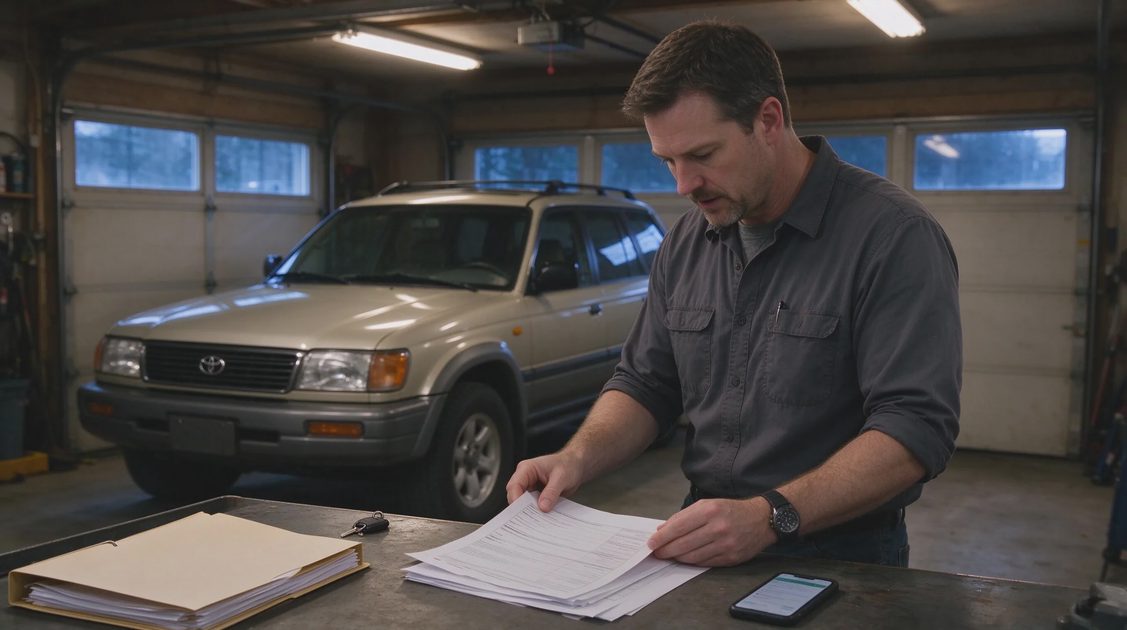
Ask how long the repair is expected to take and whether a loaner or shuttle is available. Some campaigns are quick software updates; others involve component replacement and may require the vehicle for several hours or a full day. Arrive with the NHTSA or Subaru printout so the service advisor can match the campaign without delay.
If a dealer is unresponsive or claims the recall does not apply despite the VIN lookup, contact Subaru’s customer service with the VIN and campaign number. The manufacturer can direct you to a dealer that will perform the work.
Why Checking Regularly Still Matters
Recall VIN lists are updated over time. A campaign announced last month may not yet show every affected vehicle. A repair completed at one dealer should appear in the system, but occasional recording delays occur. Checking every few months, or after any major Subaru safety announcement, takes only a minute and removes uncertainty.
Used-car buyers should run the VIN check before purchase and again after taking delivery. Private-party sellers sometimes overlook open recalls. A clean NHTSA result is one more data point in a careful pre-purchase inspection.
Keep a simple note of the date you last checked and the result. The habit is more reliable than relying on mailed notices, which can go to a previous owner or an old address.
Practical Next Steps After You Check
If the lookup is clean, save the result and move on. If an open recall appears, schedule the repair at your earliest convenience. Do not wait for a dashboard light; many recalls have no warning indicator. Do not attempt a safety-related repair yourself unless the official remedy explicitly allows it.
Recall work does not replace normal maintenance. Continue the regular service schedule while the free campaign repair is completed. The two processes are independent.
A VIN check is one of the highest-value, lowest-effort safety actions an owner can take. Five minutes on the NHTSA and Subaru sites tells you whether your specific car still needs free work and removes the guesswork that model-year lists cannot solve.
Before you spend:
Check the symptom. Count the cost. Then decide.