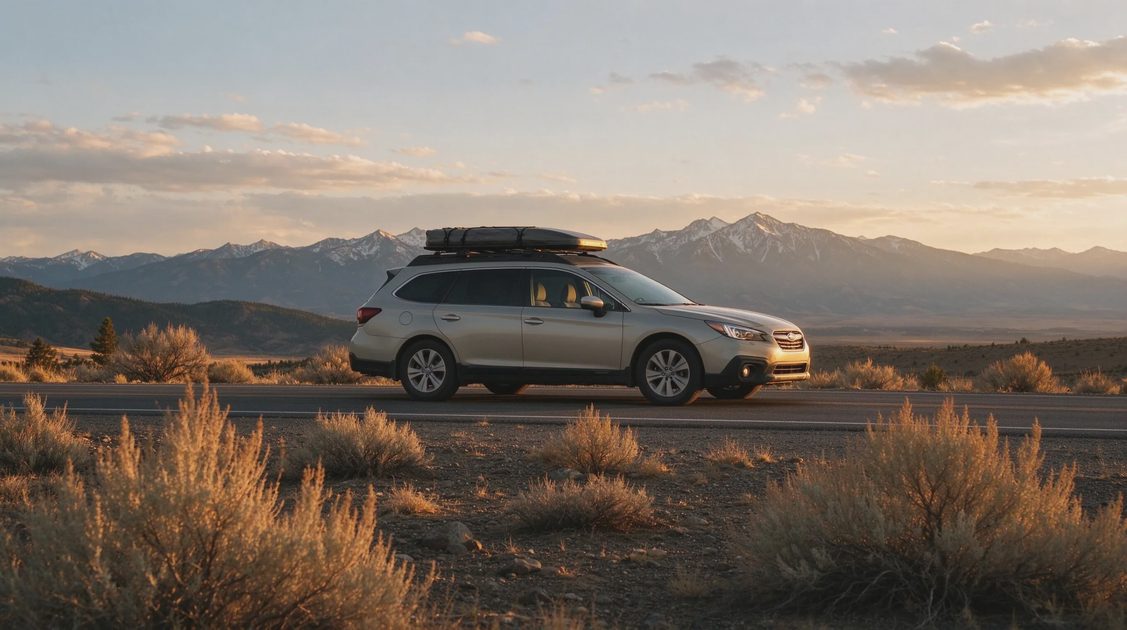
On a two-lane road in the Cascades or a snowy pass in the Rockies, one Subaru passes another and a hand lifts briefly from the steering wheel. The other driver returns the gesture. No words are exchanged, yet both parties understand the small acknowledgment. The Subie Wave is not an official club rule or a marketing campaign. It is a persistent, informal habit that has survived the brand’s growth from niche outdoor vehicle to mainstream bestseller. Understanding why it still happens says as much about the owners as it does about the cars.
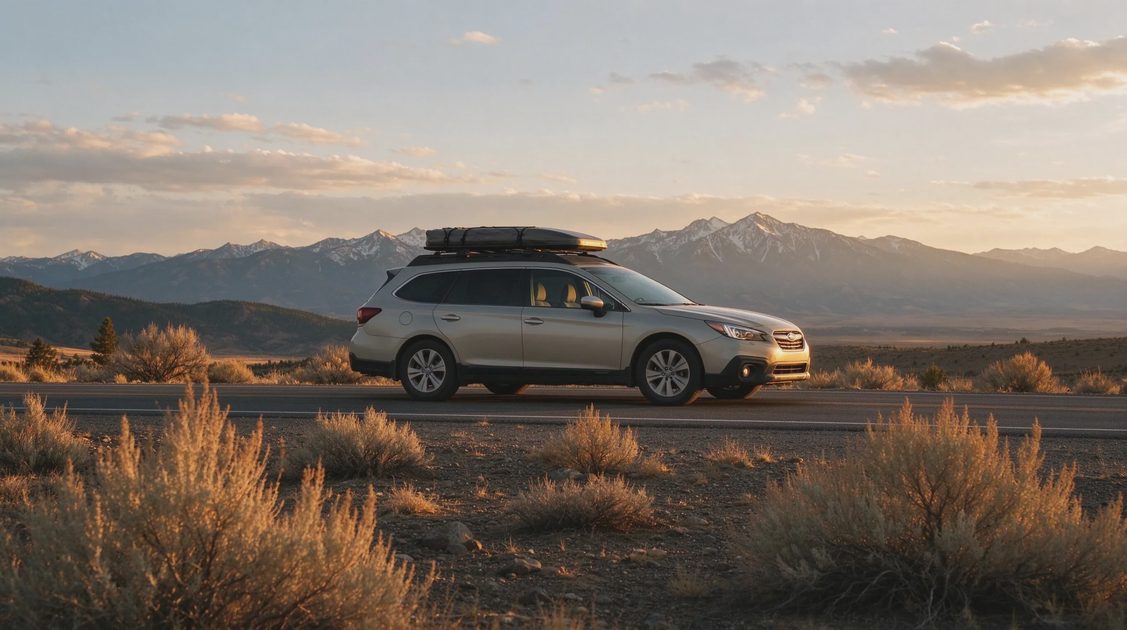
Where the Habit Came From
The wave grew out of the same conditions that shaped early Subaru ownership in North America. In the 1990s and 2000s the cars were less common, especially in their turbocharged and wagon forms. Drivers who chose them often shared an interest in all-weather capability, rally heritage, or simply the practicality of a vehicle that could reach trailheads and ski areas without drama. Spotting another Subaru on a remote road felt like recognizing a member of a small group.
Jeep owners had already normalized a similar greeting. Subaru owners adapted the idea to their own vehicles. The gesture remained low-key—a raised finger or two from the wheel, sometimes a peace sign, rarely a full arm wave. It was never about proving enthusiasm; it was a quiet nod that another person had made a similar practical choice.
As Subaru’s volume grew, the wave did not disappear. It simply became more selective in some regions and more automatic in others.
How the Wave Actually Works on the Road
There is no single correct form. Many drivers lift the index and middle finger slightly while keeping the palm on the wheel. Others offer a brief open-hand raise or a small nod. The common element is brevity and a lack of spectacle. A long, enthusiastic wave can feel out of place; the culture favors understatement.
Response rates vary. On mountain roads, forest highways, and in winter conditions the return wave is more common. In dense suburban traffic it is rarer. Some owners wave primarily at older or more modified vehicles; others wave at every Subaru they pass. Neither approach is wrong. The gesture is voluntary and carries no penalty for non-participation.
New owners sometimes feel pressure to “get it right.” The practical advice is simple: if you feel like acknowledging another Subaru, do so in a way that feels natural. If you do not, drive on. The community does not police the wave.
Model and Regional Differences
Performance-oriented models such as the WRX and older STI variants still generate higher wave rates among enthusiasts, especially when a hood scoop is visible. Outback and Forester drivers in outdoor-heavy regions often exchange greetings on the way to trailheads or ski areas. Crosstrek owners fall somewhere in between. In areas where Subarus are extremely common, the wave can fade simply because constant greeting becomes impractical.
Geographic patterns are noticeable. The Pacific Northwest, Mountain West, and parts of New England see more consistent use. In regions where Subarus are less dominant the wave can feel more special when it occurs. None of these patterns is absolute; individual preference still governs.
The growth of hybrids and EVs has not erased the habit. A Solterra or Crosstrek Hybrid still carries the badge and the all-wheel-drive identity that originally fueled the recognition.
What the Wave Signals About Community
At its best the Subie Wave is a low-stakes recognition of shared practical values: all-weather confidence, outdoor access, and a preference for vehicles that prioritize capability over pure style. It is not a claim of superiority and rarely slides into the tribalism seen in some other automotive subcultures. Most participants treat it as a small courtesy rather than a membership test.
The gesture also softens the anonymity of modern driving. For a moment two strangers acknowledge that they are operating similar tools in the same environment. That brief human contact is part of why the habit persists even as Subaru’s market share has expanded far beyond its earlier niche.
Owners who never wave are not excluded from anything meaningful. The cars still start, the all-wheel drive still works, and the community forums and clubs remain open. The wave is an optional extra, not a requirement.
Why the Habit Has Survived Mainstream Success
Many brands lose their informal greetings once the vehicles become common. Subaru’s version has proven more durable. One reason is that the core use case—reliable transportation in imperfect weather and on imperfect roads—still matches how a large share of owners actually drive. Another is that the brand never fully abandoned the outdoor and rally associations that gave the early community its identity.
The wave also requires almost no effort. It costs nothing, risks nothing, and can be performed or ignored without social consequence. Habits that light rarely disappear completely. As long as some drivers continue to offer and return the gesture, the custom remains available to anyone who wants to participate.
Newer electrified models have not broken the pattern. A driver in a Trailseeker or Forester Hybrid who lifts a hand on a snowy pass is still participating in the same informal exchange that began with older Legacies and Imprezas.
Practical Etiquette for New and Long-Time Owners
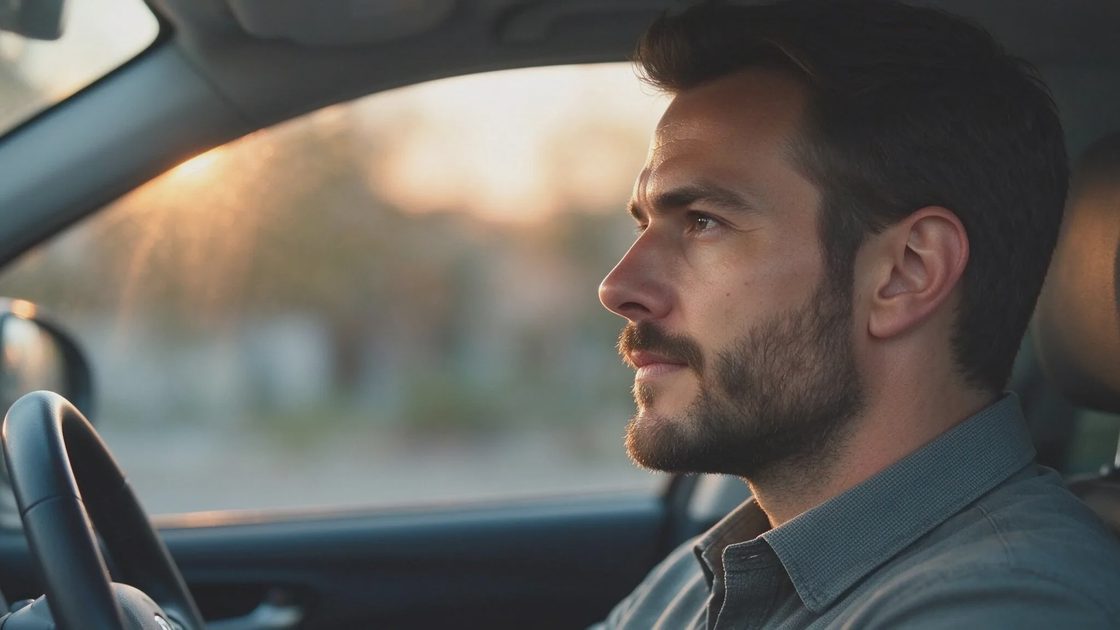
If you want to join in, keep the gesture small and the expectations lower. Wave when it feels natural, especially on open roads or in conditions where Subarus tend to congregate. Do not take a non-response personally; the other driver may be focused on traffic, weather, or simply not in the habit.
There is no need to wave at every Subaru in heavy city traffic. Selectivity keeps the gesture meaningful. Conversely, on a quiet mountain highway the small acknowledgment can be a pleasant break in the isolation of the drive.
The Subie Wave is not a test of authenticity. It is a residual custom from a time when the cars were rarer and the owners more tightly linked by shared use. It survives because enough people still find it worth the half-second of attention it requires.
The Larger Point Behind a Small Gesture
Automotive communities often fracture into hierarchies of purity—original versus modified, old versus new, gas versus electric. The Subie Wave has largely avoided that trap. A stock Crosstrek and a lifted Outback can still exchange the same brief greeting. That openness is part of its staying power.
In an era of increasingly isolated driving—noise-cancelling cabins, large screens, and algorithmic navigation—the wave is a tiny reminder that other people are sharing the same roads in similar vehicles. It does not solve any engineering problem or improve any specification. It simply keeps a human thread intact.
Whether you wave or not, the cars remain the same practical tools they have always been. The gesture is optional. The capability is not. That balance—serious vehicles and a light, voluntary community custom—is as good a summary as any of why the Subie Wave continues to appear in mirrors and side windows across the country.
Before you spend:
Check the symptom. Count the cost. Then decide.