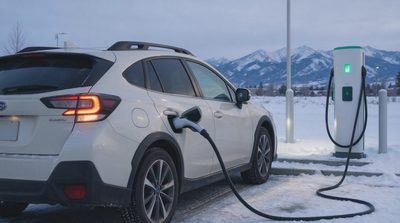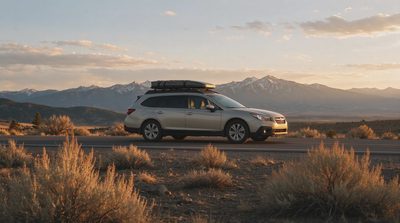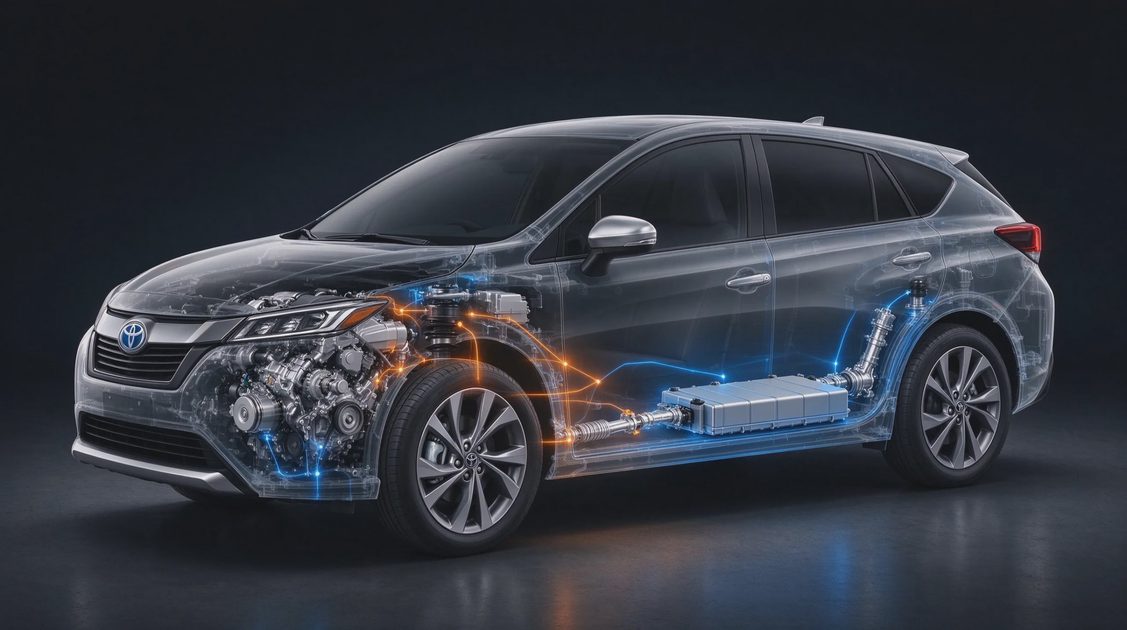
The last Subaru Legacy sedan rolled off the line at the Indiana plant in September 2025. After more than three decades and nearly 1.4 million U.S.-built examples, the nameplate that once defined Subaru’s family-car ambitions is gone from production. The decision was not a sudden quality failure or a dramatic engineering problem. It was the steady result of buyers moving to crossovers and SUVs, leaving the traditional sedan with too little volume to justify continued investment. For owners who liked the Legacy’s lower stance, car-like handling, and simple trunk, the question is now practical: what comes next when this one eventually needs replacement.
The Market Shift That Ended the Sedan
U.S. buyers have spent more than a decade migrating from passenger cars to crossovers. Higher seating positions, easier cargo access, and the perception of greater capability won the volume argument. Subaru’s own Outback, Forester, and Crosstrek consistently outsold the Legacy by wide margins. By the mid-2020s the sedan’s annual volume had fallen to levels that made continued production hard to defend against the need for more crossover and hybrid capacity.
Subaru stated the discontinuation reflected both the industry-wide move away from passenger cars and the company’s own transition toward electrified products. The Indiana plant shifted resources to Forester production, including the hybrid version. In that context the Legacy was the clearest candidate to exit. The car itself remained competent; the segment around it simply shrank.
Legacy owners who felt the car still met their needs were not wrong. They had simply become a smaller group inside a brand whose growth was happening elsewhere.
What the Final Production Run Represented
The last Legacy was a mid-grade Limited in Magnetite Gray, driven off the line in mid-September 2025. It closed a run of more than 1.05 million sedans and roughly 343,000 wagons built at the Indiana facility. Global production of the Legacy had already ended in most markets years earlier; North America was the final holdout because the car had originally been developed with this market in mind.
Remaining new inventory continued to sell in small numbers into 2026 as dealers cleared stock. Those final retail units carry the same design, powertrains, and equipment the model had in its last years. They are not special editions; they are simply the last of a long line. For a buyer who specifically wants a new-to-them Legacy, the window is the remaining dealer stock and the used market.
The end of production does not affect parts or service support for existing vehicles. Subaru continues to supply components and perform warranty and recall work on Legacies already on the road.
Practical Alternatives Inside the Subaru Lineup
Owners who want to stay with Subaru have several paths. The Outback remains the closest spiritual successor in terms of all-wheel-drive capability and long-distance comfort, though it sits higher and uses a wagon/crossover body. The Forester offers similar all-wheel-drive security with a more upright packaging and, in hybrid form, improved efficiency. The Crosstrek is smaller and more efficient but still delivers the core Subaru traction formula.
The WRX is now Subaru’s only conventional sedan in the U.S. lineup. It shares almost nothing with the Legacy in character: it is firmer, louder, and oriented toward performance rather than quiet family transport. For drivers who liked the Legacy’s calm highway manners, the WRX is a different proposition.
None of these vehicles is a direct dimensional or dynamic match for the late Legacy. They are the available choices from the same brand once the sedan is gone. Test-driving the Outback and Forester with an eye toward seating position, cargo use, and daily ergonomics is the most useful next step for most former Legacy drivers.
Looking Outside Subaru for a Traditional Sedan
Drivers who specifically want another lower-slung sedan with a conventional trunk will need to look at other brands. The midsize sedan segment still contains offerings from Toyota, Honda, Hyundai, Kia, and others, some with all-wheel-drive options. None will replicate the exact combination of Boxer engine character and Subaru symmetrical all-wheel drive, but several deliver comparable space, fuel economy, and safety equipment.
The decision often comes down to how much the Subaru all-wheel-drive system and dealer experience matter relative to the desire for a traditional sedan package. Some owners find the crossover alternatives acceptable once they spend time with them. Others decide the sedan format itself is non-negotiable and change brands. Both outcomes are rational; the key is testing the actual vehicles rather than deciding from memory of the Legacy.
Used late-model Legacies remain available and will continue to be serviceable for years. For owners who simply want to keep the same car longer, proper maintenance and recall compliance are more important than the production end date.
Ownership Implications While the Car Is Still on the Road
Discontinuation does not create immediate parts shortages for routine service items. Filters, brake components, and common wear parts remain available. Body panels and trim unique to the last generation may become slower to source over time, as is normal for any ended nameplate. Keeping the car well maintained and addressing open recalls promptly remains the best strategy.
Resale values for clean, low-mileage late Legacies have not collapsed simply because production stopped. The broader sedan market is smaller, but buyers who specifically want that body style still exist. Documented service history and a clean recall record help any eventual sale.
Owners who plan to keep the vehicle for many more years should continue the normal maintenance schedule and treat the production end as background information rather than a reason to accelerate replacement.
How to Decide When Replacement Time Comes
When the current Legacy eventually needs to be replaced, list the attributes that mattered most: seating height, cargo method, all-wheel-drive confidence, fuel economy, and driving feel. Test the Outback and Forester against those criteria. If neither feels right, expand the test to non-Subaru sedans that offer all-wheel drive or the specific dynamics you want.
The goal is not to find another Legacy; that vehicle is no longer being built. The goal is to find the next car that covers the same real-world needs with the least compromise. Some owners will stay inside the Subaru family and adapt to a crossover. Others will leave for a remaining sedan. Both paths are valid once the actual vehicles have been driven and compared.
The Legacy’s long run ended because the market moved. The owners who liked it still have clear, practical options; they simply require a deliberate test-drive process rather than an automatic repurchase of the same nameplate.
Before you spend:
Check the symptom. Count the cost. Then decide.