When your Subaru is using oil between changes, you are not alone, and you are not necessarily looking at an expensive engine repair. Oil consumption is one of the most misunderstood ownership issues I dealt with during my dealership years, because the difference between "normal" consumption and a problem is not always obvious. I have seen owners panic over a quart of oil lost over 5,000 miles, and I have seen others ignore a serious leak because someone told them "all Subarus burn oil." Both reactions are wrong, and both can cost you money. The key is measurement, documentation, and understanding what your specific engine is telling you. I am going to walk you through how to measure consumption properly, what the common causes are, and how to decide whether you are looking at a repair or just a maintenance item.
Why Subaru Engines Use Oil
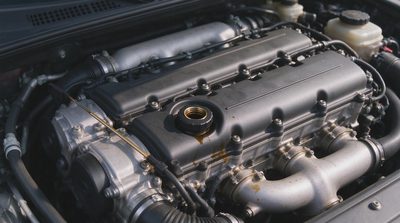
Subaru's horizontally opposed Boxer engines are designed differently from most four-cylinder and V6 engines, and that design has consequences for oil use. The pistons move horizontally rather than vertically, which means gravity does not pull oil away from the cylinder walls in the same way. Over time, this can lead to oil being consumed through the combustion chamber, especially as the engine accumulates miles and the piston rings wear.
It is also worth noting that Subaru has had documented oil consumption issues on certain engines, particularly the FB-series four-cylinders found in many Outbacks, Foresters, and Crosstreks from roughly 2011 through 2019. Subaru issued technical service bulletins and, in some cases, extended warranties for excessive oil use. If your vehicle falls into those model years, knowing about those programs is important before you approve any repair.
That said, not every Subaru burns oil, and not every oil user is a problem. Some consumption is expected, especially as mileage increases. The question is how much, how fast, and whether it is getting worse over time.
How to Measure Oil Consumption Accurately
This is where most owners get it wrong, and I want to be specific because your measurement method determines whether you are making a decision based on facts or on a guess. Here is the process.
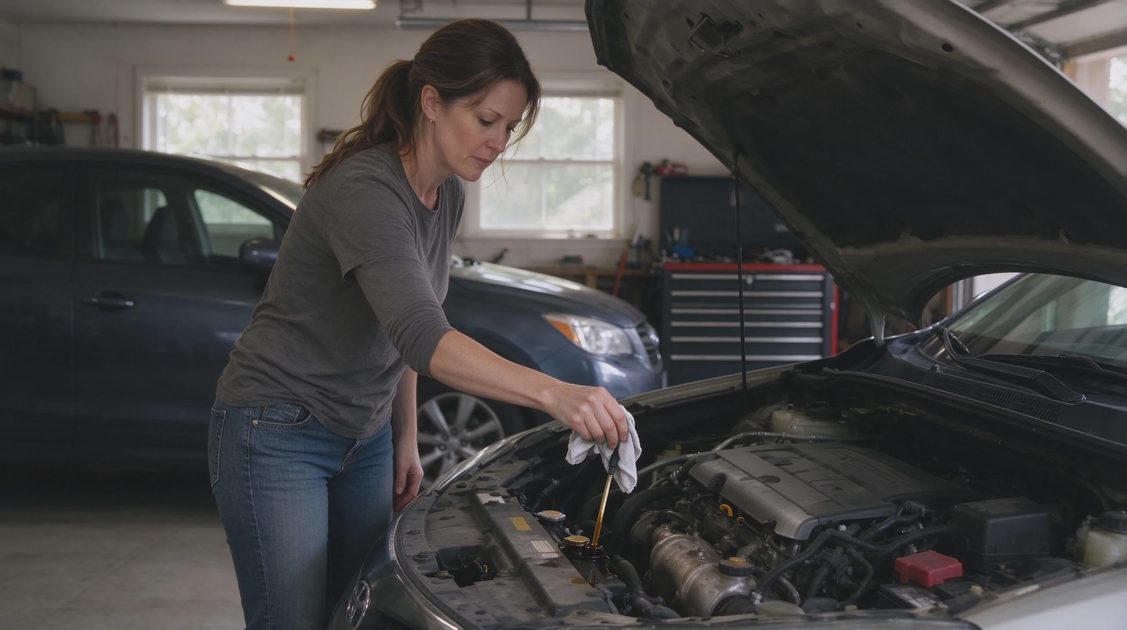
Park on level ground. Wait at least fifteen minutes after shutting off the engine so the oil can drain back into the pan. Pull the dipstick, wipe it clean, reinsert it fully, and pull it again. Note the exact level. Record the date, the odometer reading, and the oil level. Then drive normally until you have covered at least 1,000 miles. Repeat the measurement under the same conditions. The difference in oil level, converted to quarts, is your consumption rate.
I cannot stress this enough: do not measure after highway driving, do not measure when the engine is hot, and do not estimate based on how much oil you add. You need a consistent method. I have seen owners think their engine was consuming a quart every 500 miles when proper measurement showed it was closer to a quart every 3,000 miles. That difference changes the conversation entirely.
Document your findings. Keep a simple log. If you take the car to a shop, bring the data. A technician cannot diagnose consumption without knowing the rate, and a service advisor cannot quote a repair without evidence that a problem exists.
Normal Consumption Versus Problem Consumption
Subaru's own guidance varies by engine, but generally, consumption of less than one quart per 1,000 miles is considered acceptable for higher-mileage engines. Some engines, particularly certain FB25 variants, were known to consume more than that, which is why Subaru issued extended coverage. The key is whether the consumption is stable or increasing, and whether you are seeing other symptoms.
If your oil level drops steadily but the engine runs smoothly, you are not seeing blue smoke from the exhaust, and you are not getting oil-related warning lights, you may be looking at acceptable consumption for a high-mileage engine. You will need to add oil between changes, but that may be cheaper than an engine repair.
If consumption is increasing over time, if you are seeing blue smoke, if the oil level drops below the dipstick's minimum mark between changes, or if you are getting check-engine lights related to misfires or catalytic converter efficiency, you have a problem that needs attention. The difference matters because the repair approach changes.
Common Causes of Oil Consumption
Oil consumption can come from several sources, and the cause determines the repair cost and complexity. Here are the most common ones I saw.
Worn piston rings allow oil to pass into the combustion chamber. This is the most expensive fix and typically involves engine disassembly or replacement. It is also the least common cause in my experience, despite being the one most owners assume is happening.
Valve stem seals that have hardened or cracked allow oil to leak down the valve stems. This is a less expensive repair than piston rings but still requires significant labor.
PCV system issues, including a clogged or malfunctioning PCV valve, can cause excessive crankcase pressure that pushes oil into the combustion chamber. This is often a simple and inexpensive fix.
External leaks from valve covers, oil pan gaskets, or oil cooler lines are not consumption in the technical sense, but they look like consumption if you are not checking under the vehicle. These are usually straightforward repairs.
The point is that you cannot assume the cause without diagnosis. A shop that quotes an engine rebuild based on oil consumption alone without checking the PCV system or looking for external leaks is not doing a thorough job.
When Repair Is Worth It
Here is the table I wish every owner had before they approved an engine repair. These are realistic cost ranges for the Pacific Northwest, and your local pricing may vary. The key is matching the repair to the actual cause.
Repair | Typical Cost Range | When It Makes Sense |
|---|---|---|
PCV valve replacement | $100–$250 | Consumption is moderate and PCV is clogged |
Valve stem seal replacement | $1,200–$2,000 | Consumption is increasing and seals are confirmed worn |
Piston ring replacement | $3,500–$6,000 | Consumption is severe and rings are confirmed worn |
Short block replacement | $4,500–$7,500 | Engine has other issues beyond oil consumption |
Engine replacement (remanufactured) | $6,000–$9,000 | Vehicle has high value and other systems are sound |
The decision to repair depends on your vehicle's value, your budget, and whether the consumption is actually affecting drivability. A quart of oil every 2,000 miles is an annoyance, not a crisis. A quart every 500 miles is a problem that needs attention.
Questions to Ask Before Approving Engine Work
If a shop recommends engine repair based on oil consumption, here are the questions I want you to ask. First, ask what diagnostic steps were performed to determine the cause. Second, ask whether the PCV system was checked. Third, ask whether external leaks were ruled out. Fourth, ask for the consumption rate they measured and how it compares to Subaru's acceptable range. Fifth, ask whether your vehicle is covered under any extended warranty or service campaign for oil consumption.
A legitimate shop will answer these questions. If they cannot, get a second opinion. Oil consumption repairs are expensive enough that you deserve certainty before you approve the work.
Before You Spend
Oil consumption is not automatically a sign of impending engine failure, and it is not automatically a reason to trade in your Subaru. Measure properly. Document the rate. Identify the cause. Then decide whether you are looking at a maintenance item or a repair. Check the symptom. Count the cost. Then decide.