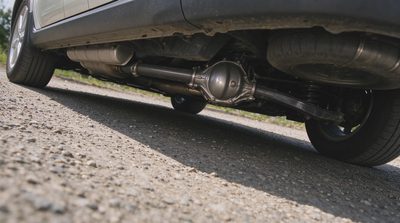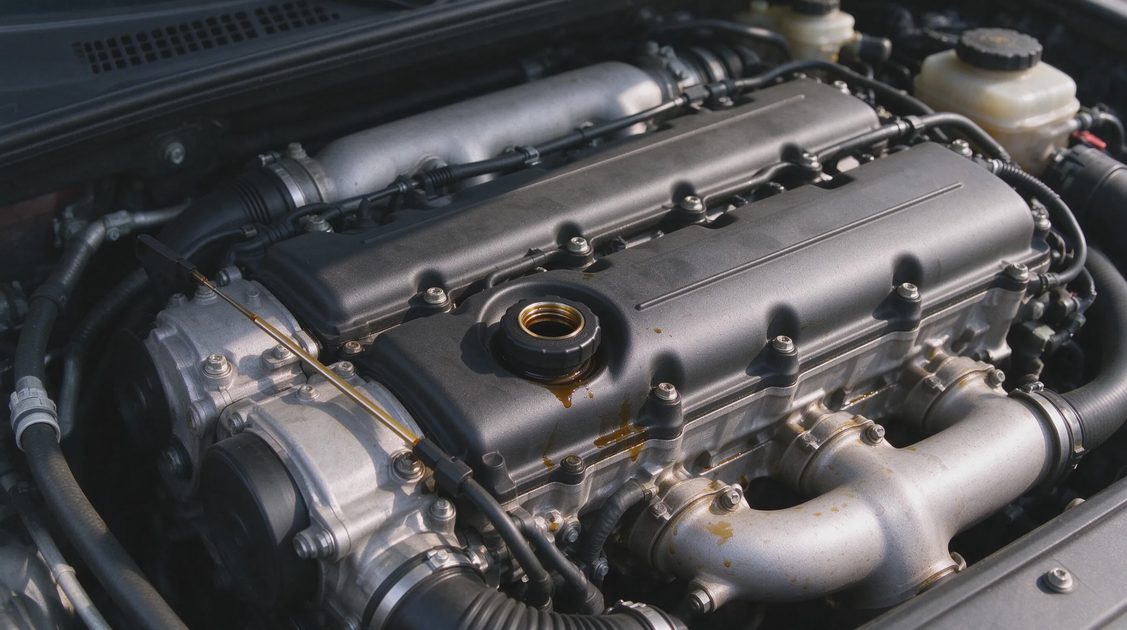
If there is one component that generates more fear, forum threads, and panicked phone calls than any other Subaru system, it is the continuously variable transmission—the CVT. I want to address this early because I have watched too many owners get quoted a full transmission replacement after describing a minor drivability quirk, and too many others ignore genuine warning signs because someone on a forum said "they all do that." The truth sits somewhere between those two extremes, and understanding the difference can save you thousands of dollars or prevent a breakdown in the middle of nowhere. I am going to walk through what the CVT actually does, what is normal, what is not, and the questions you need to ask before you approve any transmission work.
What a CVT Is Actually Doing
A continuously variable transmission operates differently from a traditional automatic. Instead of fixed gears, it uses a system of pulleys and a metal belt or chain to provide an infinite number of ratios between the lowest and highest points. That is why your Subaru does not shift in the traditional sense. The engine may hold a steady RPM while the vehicle accelerates, which can feel strange if you are used to conventional automatics. Your tachometer may sit at 2,500 RPM while the speedometer climbs steadily, and that is the system working as designed.
The trade-off for this efficiency is a different feel. CVTs can feel like they are "rubber-banding" when you floor the accelerator, because the transmission adjusts ratios more gradually than a gear-based automatic. Some owners describe a brief hesitation or a sensation of the engine revving before the car accelerates. In most cases, this is normal CVT behavior, not a failure symptom. The key is understanding what your specific model-year is supposed to feel like, because Subaru has adjusted CVT programming over the years to make it feel more like a conventional transmission.
Normal Feel Versus Warning Signs
This is where I want to be very careful, because telling you that a jerky CVT is "normal" could lead you to ignore a real problem. Here is the distinction.
Normal CVT characteristics include a slight hesitation when transitioning from reverse to drive, a mild shudder under hard acceleration from a stop, and engine RPMs that do not follow vehicle speed in the way you expect. These behaviors are inherent to the design and are usually more noticeable in cold weather before the transmission fluid warms up.
Warning signs include a pronounced shudder or vibration during steady-speed cruising, a burning smell coming from the transmission area, delayed engagement when shifting into drive or reverse, and any warning lights related to the transmission or check engine light with transmission-related codes. A metallic grinding noise or a feeling of the transmission "slipping" under load is also serious. If you experience these, stop driving and have the vehicle inspected.
There is a middle category I call "monitor and document." Occasional mild shuddering that appears only under specific conditions, like cold mornings or steep inclines, may be addressed with a fluid service rather than a replacement. Video record the behavior if you can. Note the conditions when it happens. This information is valuable to a technician trying to diagnose the issue.
The Diagnostic Process Before Any Replacement Quote
If a shop tells you your CVT needs replacement, I want you to ask what diagnostic steps were performed. A legitimate diagnosis should include reading the transmission control module for stored codes, checking the fluid level and condition, and performing a road test with a scan tool that can monitor live data. The technician should be able to tell you what specific parameters are out of range and why that points to internal failure rather than a software issue, a fluid problem, or a sensor malfunction.
Subaru has issued software updates for CVT behavior on certain models. If your vehicle has never had these updates performed, that may resolve the symptom without any physical repair. Fluid condition is also critical. CVT fluid breaks down over time, and degraded fluid can cause the transmission to behave erratically. A fluid service is usually a few hundred dollars and may resolve or significantly improve minor symptoms. I have seen this outcome often enough that I never recommend a transmission replacement without first confirming the fluid has been serviced according to Subaru's schedule.
Real Cost Ranges for CVT Work
Here is the reality of CVT repair economics. A new or remanufactured CVT replacement from a dealership typically ranges from 6,000 to 9,000 depending on the model and your location. That is a big number, and it is why I want you to be certain before you approve it. An independent Subaru specialist may offer the same job for 4,500 to 7,000 using a remanufactured unit. Fluid service alone is usually 250 to 450. A software update may cost an hour of labor or be covered under warranty if your vehicle is still within the applicable coverage or if the update is related to a service campaign.
These numbers are why the diagnostic process matters so much. The difference between a 350 fluid service and a 7,000 transmission replacement is the biggest financial gap in Subaru repair. You deserve to know which one you actually need.
Warranty Extensions and Known Issues
Subaru extended the CVT warranty on certain model years to 10 years or 100,000 miles due to known issues. This applies to specific vehicles and is tied to your VIN. Before you approve any out-of-pocket CVT repair, check whether your vehicle falls under this extended coverage. The dealership can run your VIN through Subaru's system to determine eligibility. If your vehicle is covered, the repair may cost you nothing.
Even if your vehicle is outside the extended warranty, knowing about the program is useful. It tells you that Subaru acknowledged issues with certain CVT units, which can be relevant if you are considering a used Subaru purchase. A car under the extended coverage is a safer bet than one that is not.

Questions to Ask Before Approving Replacement
Let me give you the actual script. When a service advisor recommends a CVT replacement, here are the questions I want you to ask:
First, ask what codes are stored in the transmission control module. If the answer is vague, that is a red flag. Second, ask whether the CVT fluid has been checked and whether its condition indicates internal damage. Third, ask whether there is a software update or service bulletin that applies to your vehicle. Fourth, ask whether the vehicle is under the extended CVT warranty or any relevant coverage. Fifth, ask for a written explanation of what internal component failure they believe exists and why replacement is necessary rather than repair.
A legitimate shop will answer these questions clearly. If they cannot or will not, get a second opinion. I have seen too many cases where a second shop diagnosed a simpler issue that the first shop either missed or did not mention.
Maintaining Your CVT for Longevity
If your CVT is currently working properly, the best thing you can do is maintain it. Follow Subaru's severe-service schedule for CVT fluid changes if you tow, drive in mountains, or operate in dusty conditions. Even if you do not meet those criteria, many Subaru specialists recommend fluid service around 60,000 miles rather than the extended intervals in some schedules. Heat is the enemy of CVT fluid, and fresh fluid helps manage temperatures.
Avoid aggressive launches from a stop, especially when the transmission is cold. Give the CVT a moment to engage when you shift from reverse to drive before applying throttle. These habits cost you nothing and may add meaningful life to the transmission.
Before You Spend
A CVT replacement is one of the most expensive repairs a Subaru owner can face, which means it is also one of the most important to verify. Get the codes. Check the fluid. Confirm the diagnostic process. Do not let a vague explanation or a rushed phone call push you into a five-figure decision. Your CVT may genuinely need replacement, but you deserve proof before you pay for it. Check the symptom. Count the cost. Then decide.