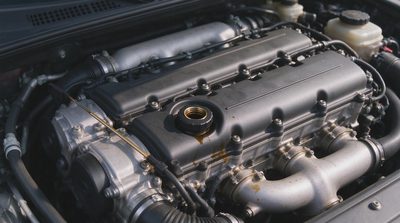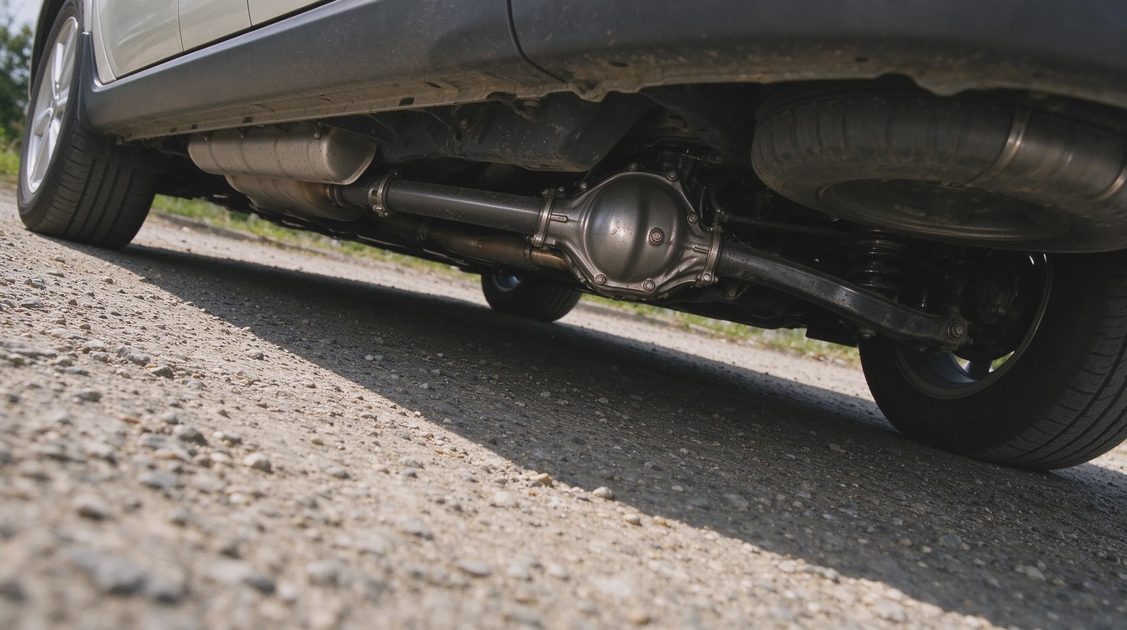
Tamsin here. If you have landed on this page, chances are your Subaru just passed the six-figure mark, the warranty booklet has become decorative, or the service advisor used the phrase "not covered under your plan" while looking genuinely apologetic. Whatever brought you here, take a breath. This site exists because too many Subaru owners make expensive decisions while feeling rushed, confused, or quietly terrified that their dashboard lights are spelling out financial ruin. I spent eleven years in dealership after-sales, and I can tell you the same repair estimate reads differently when someone explains what is actually urgent, what is monitor-and-wait, and what is simply a nice-to-have dressed in official language. I cannot inspect your car from Bend, Oregon, but I can help you ask better questions before you approve the work.
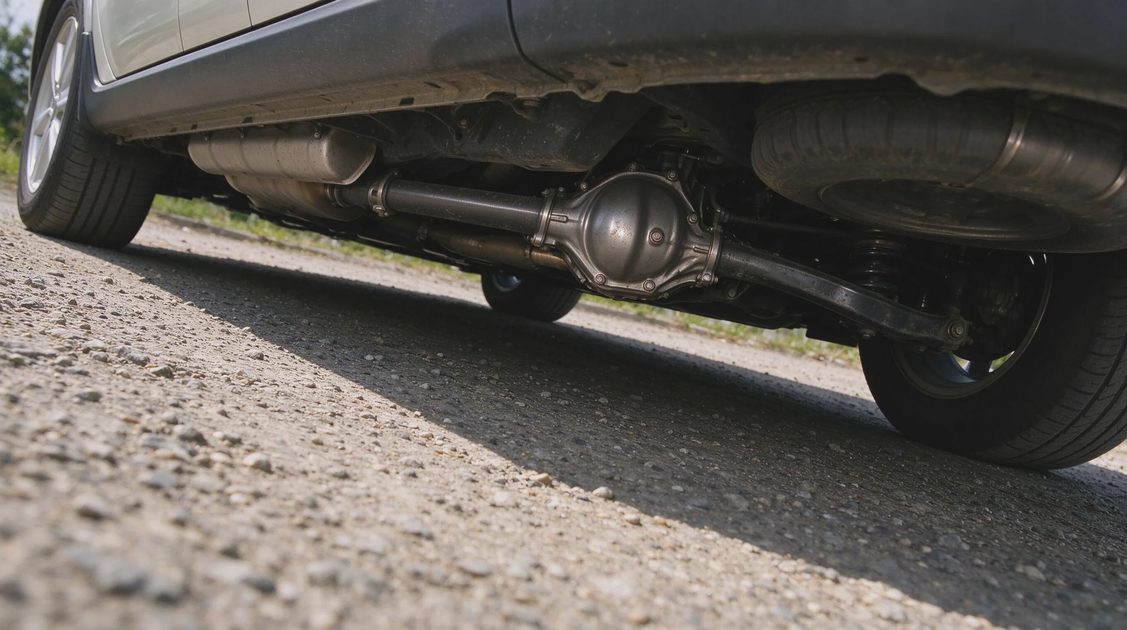
What Happens When the Warranty Ends
The day your Subaru warranty expires is not the day your car becomes unreliable. It is simply the day the financial responsibility shifts entirely to you. For most owners, this happens somewhere between 36,000 and 60,000 miles for the basic and powertrain coverage, though some certified pre-owned plans extend further. What I want you to understand is this: the car did not get a memo that it should start falling apart. A well-maintained Subaru with a documented service history can easily reach 150,000 miles or more, but the way you approach ownership needs to shift from "take it in and get it fixed" to a more deliberate, symptom-first mindset.
The real change after warranty is diagnostic. When a warranty covers repairs, there is less reason to question whether a recommended service is truly necessary. Once you are paying out of pocket, that same recommendation deserves scrutiny. Not because the shop is trying to take advantage of you, but because the relationship between a dealership's service department and its repair recommendations is complicated. Dealerships follow manufacturer maintenance schedules, but they also operate as businesses. Some recommendations come from Subaru's official guidance. Others come from what the technician observed. And some come from what is called "menu selling," which is a polite industry term for suggesting services based on time or mileage rather than observed need.
The Difference Between Required, Recommended, and Nice-to-Have
This is the single most important distinction I learned during my years behind the service counter, and it remains the foundation of how I want to help you. Every repair or maintenance item falls into one of three buckets.
Required means the vehicle is unsafe to drive or continued operation will cause additional damage. This includes things like brake failure, severe oil leaks, or a timing chain that is about to let go. You do not have options here. You have priorities.
Recommended means the service is legitimate, supported by evidence, and likely to prevent future problems, but the vehicle can still be driven safely for some period. This includes many fluid exchanges, filter replacements, and wear items that are approaching their service limits. You have time, but you should budget.
Nice-to-have means the service has some benefit but is not urgent or, in some cases, not necessary at all. This includes fuel-system cleanings, some fluid flushes, and accessories dressed up as maintenance. You should ask questions.
The problem is that many service advisors do not clearly label which bucket they are pulling from. A recommendation might sound equally serious whether it is a leaking head gasket or a cabin air filter that has exceeded its suggested interval. That is where you come in, with a list of questions and the willingness to ask them.
What This Site Will Tell You
I am going to explain symptoms before parts. When your Subaru CVT feels jerky at low speeds, I will walk through what that might mean, what you can safely observe, and what a shop should check before quoting you a transmission replacement. When your Outback starts using oil between changes, I will show you how to measure consumption properly so you are not approving engine work based on a vague observation. When EyeSight disables itself in heavy rain, I will explain why that might be normal rather than a system failure.
I will also talk about money in realistic terms. Repair costs vary dramatically by region, shop type, and parts availability. I will give you ranges, not false precision, and I will explain what drives those numbers up or down. A CVT replacement in Portland is going to cost differently than the same job in rural Montana. Your job is not to memorize prices but to understand what goes into them so you can evaluate an estimate quickly.
What This Site Will Not Tell You
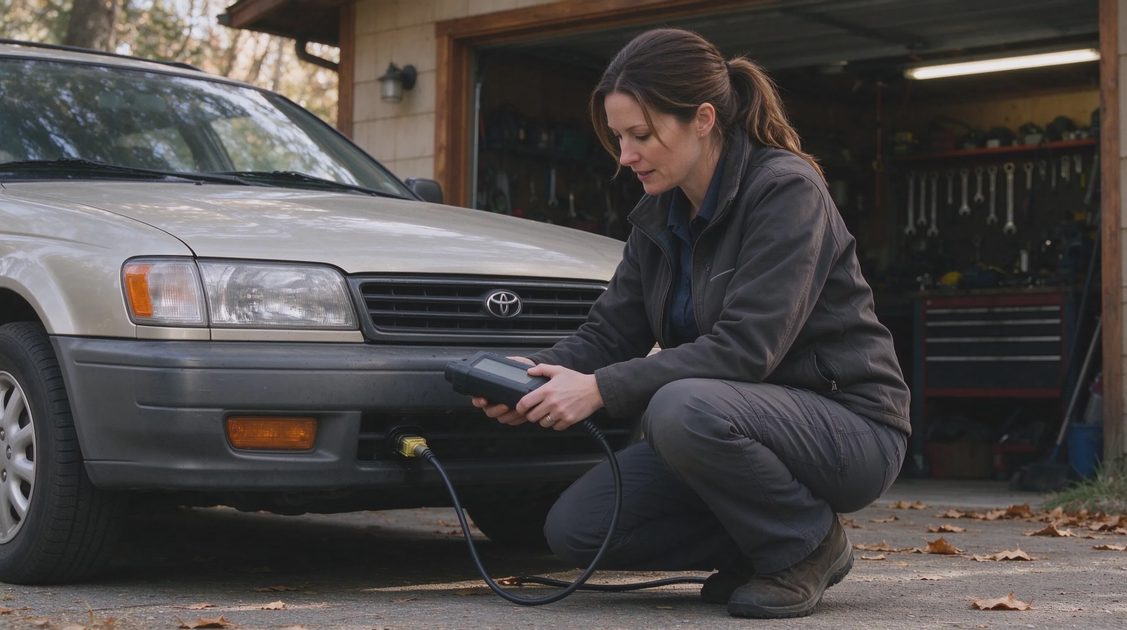
I am not a remote diagnostic service. I cannot tell you whether that knocking sound is rod knock or something benign based on a text description. I cannot tell you to keep driving if your brakes are making metal-on-metal noise. I cannot tell you that your check-engine light is "probably nothing" without knowing the codes and seeing the live data. What I can do is help you understand what those symptoms might indicate and what a qualified technician should be looking for.
I also will not tell you to disable safety systems, ignore recalls, or attempt repairs you are not equipped to perform. EyeSight calibration after a windshield replacement is not optional because the system's camera alignment is critical to its function. A recall needs to be addressed at a dealership because the remedy is typically mapped to your VIN and may involve parts or software updates that independent shops cannot access. I will always separate what I know from what I have read on forums, and I will never treat a Subaru community rumor as universal truth.
A Realistic Look at Repair Costs After Warranty
Here is a table that will not make you happy, but it will make you prepared. These are realistic ranges for common post-warranty Subaru repairs based on my experience and current labor rates in the Pacific Northwest. Your local pricing may vary.
Repair Item | Typical Mileage Range | Realistic Cost Range | Emergency Level |
|---|---|---|---|
Front brake pads and rotors | 40,000–70,000 miles | $400–$800 | Required when metal contacts metal |
Wheel bearing replacement | 80,000–120,000 miles | $350–$650 per corner | Recommended when humming appears |
CVT fluid service | 60,000–90,000 miles | $250–$450 | Recommended based on driving conditions |
EyeSight camera recalibration | After windshield replacement | $300–$500 | Required for ADAS function |
Oil consumption repair (severe) | 80,000–130,000 miles | $2,500–$5,000 | Dependent on consumption rate |
DCM parasitic drain repair | 2019–2023 models | $300–$900 | Required if battery dies repeatedly |
These numbers should not scare you into trading in the car tomorrow. They should help you understand that maintenance and repairs are part of ownership economics. A 1,500 repair on a car you own out right is frequently better financial math than adding 500 to your monthly payment for a new vehicle.
How to Build Confidence in Your Repair Decisions
The best post-warranty owners I know are not the ones who wrenches in their garage. They are the ones who keep records, ask questions, and do not panic when a warning light appears. Start a simple log of what was done, when it was done, and what the shop recommended for next time. When a new symptom appears, read the owner's manual first, then search for credible information, then contact a shop. You do not need to become a mechanic. You need to become an informed customer.
Remember that the relationship between you and a repair shop changes after warranty. You are now a paying customer with choices. Get a second opinion on major repairs. Ask for the old parts back. Request the diagnostic trouble codes if the check-engine light is on. A good shop will explain its findings. A great shop will show you.
Before You Spend
Your Subaru after warranty is not a ticking time bomb. It is a vehicle that needs you to pay attention, ask questions, and resist the urge to approve everything in the advisor's tablet. You do not need to know how to rebuild a CVT. You need to know whether the CVT is actually the problem. Check the symptom. Count the cost. Then decide.