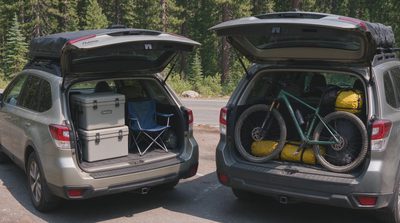
Most people shopping a new or late-model Subaru already know the brand brings Symmetrical All-Wheel Drive as standard equipment. The question that keeps coming up in my inbox and at the coffee shop is simpler and more expensive: is the Wilderness package just orange accents and a higher sticker, or does it change how the car behaves when the pavement ends? I spent years translating service-advisor speak into plain English for owners who were staring at a repair quote. The same skill applies here. Let’s look at the hardware, the numbers, and the situations where the extra money actually buys capability instead of just confidence.
Ground Clearance and Approach Angles Are the First Real Change
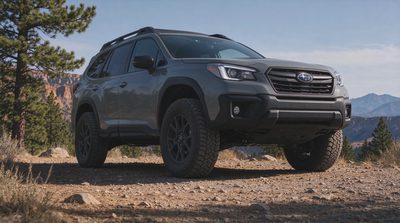
Standard Outback, Forester, and Crosstrek models sit at roughly 8.7 inches of ground clearance. Wilderness versions raise that figure: the current Outback Wilderness reaches 9.5 inches, while Forester and Crosstrek Wilderness models land at 9.3 inches. Those numbers sound small until you start measuring approach, breakover, and departure angles. The extra height, longer springs, and revised bumpers improve the angles enough that the front bumper and undercarriage clear ruts and water bars that would scrape a standard model.
In Central Oregon and the Cascades, that difference shows up on the same forest roads many of us drive every weekend. A standard Outback will make it most of the way; the Wilderness version keeps the rocker panels and exhaust farther from the rocks. The 2026 Outback Wilderness also adds electronically controlled dampers that adjust firmness automatically. They keep the body more level over whoops and reduce the bottoming sensation you sometimes feel on a standard suspension when the load is high or the surface is broken. Approach angles move from about 18 degrees on a regular Outback to 20 degrees on the Wilderness; breakover and departure improve as well. These are measurable gains, not marketing language.
All-Terrain Tires and Underbody Protection Change Daily Behavior
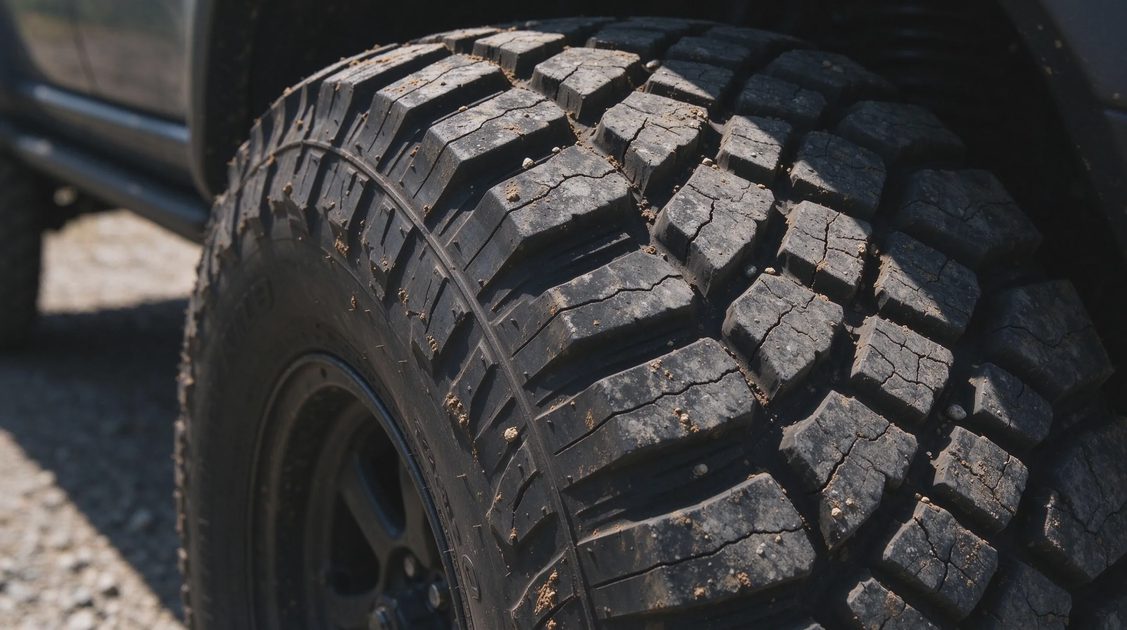
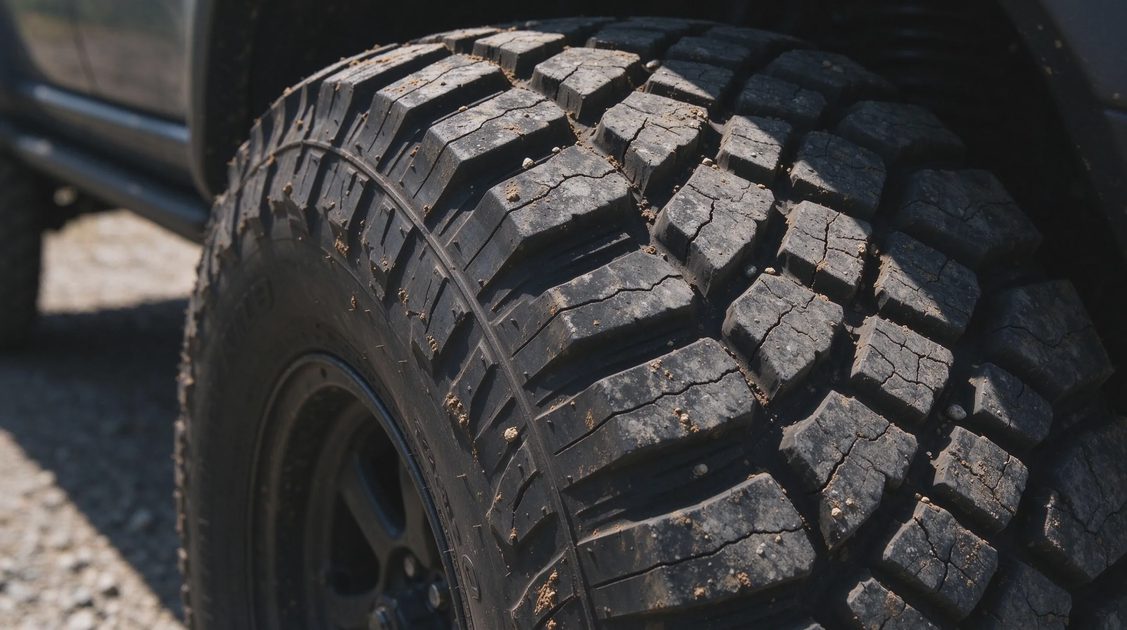
Wilderness models leave the factory on all-terrain rubber—Yokohama Geolandar or Bridgestone Dueler depending on the model and year—mounted on 17-inch wheels. Standard trims wear highway-oriented all-season tires. The difference is obvious the first time you turn onto a gravel road after rain or hit unplowed snow. The all-terrain compound and tread pattern give better bite on loose surfaces and resist puncture better when you roll over sharp rock or debris.
Underbody protection is another concrete upgrade. Wilderness versions include a front skid plate (aluminum on many current models) and additional shielding for the oil pan and fuel tank areas. Standard trims usually omit that protection or offer it only as an accessory. For owners who regularly take forest service roads, the skid plate is not cosmetic. It is the difference between a minor scrape and a punctured oil pan sixty miles from the nearest paved highway. The tires and protection also change the sound and feel on pavement: a bit more road noise and a slightly firmer ride, but still acceptable for daily commuting.
Dual-Function X-MODE Is Not the Same as Standard X-MODE
Every modern Subaru with X-MODE can adjust throttle response, transmission behavior, and torque distribution for low-traction surfaces. Wilderness models receive the dual-function version: Snow/Dirt and Deep Snow/Mud. The second mode is more aggressive about brake intervention and torque locking. It stays active up to roughly 25 mph on current models and pairs with hill-descent control at lower speeds.
On a standard trim the single-mode system works well for moderate snow or wet gravel. The dual-function calibration is tuned for deeper soft surfaces and steeper grades. Owners who only see snow on the driveway may never notice the difference. Owners who drive into the Cascades or the Rockies after a storm will. The system is still limited by the tires and ground clearance; it cannot invent traction that is not there. It simply makes better use of what the hardware can deliver.
Towing Capacity and Powertrain Differences Matter for Some Buyers
Towing numbers diverge more than many shoppers expect. A base Outback or Forester is often rated around 1,500–2,700 pounds depending on year and engine. Wilderness versions of the Outback, Forester, and Crosstrek commonly carry a 3,500-pound rating. The jump comes from revised final-drive ratios, transmission coolers on some models, and the higher-output powertrains.
The 2026 Outback Wilderness uses the 2.4-liter turbo Boxer making 260 horsepower and 277 lb-ft of torque. That engine is also available on Limited XT and Touring XT trims, so the power itself is not exclusive. The combination of turbo torque, shorter gearing, dual X-MODE, and the higher tow rating is unique to the Wilderness package. Crosstrek and Forester Wilderness models stay with the naturally aspirated 2.5-liter but still receive the cooler and gearing changes that support the higher tow figure. If you occasionally pull a small utility trailer, a kayak trailer, or a lightweight camper, the rating difference is real. If you never tow, it is an unused number on the window sticker.
Fuel Economy, Ride, and Interior Trade-Offs You Should Expect
All-terrain tires and the taller stance cost a few miles per gallon. Current EPA figures for Outback Wilderness sit roughly 21 city / 27 highway, a few mpg below the equivalent non-Wilderness turbo models and more than that below the base 2.5-liter versions. Crosstrek and Forester Wilderness numbers are closer to their standard counterparts but still a notch lower. The ride is firmer, especially on coarse pavement, and the all-terrain tires generate more cabin noise at highway speeds.
Inside, StarTex water-resistant upholstery and easy-clean surfaces replace leather or cloth on many Wilderness models. The copper-colored accents and unique badging are cosmetic. The functional change is the material that shrugs off wet dogs, muddy boots, and spilled coffee. Roof-rail load ratings are sometimes higher, which matters if you run a rooftop tent or heavy cargo box. None of these trade-offs are deal-breakers for most outdoor-oriented owners, but they are real and should be weighed against how often you leave the pavement.
Feature | Standard AWD (typical) | Wilderness (2025–2026) |
|---|---|---|
Ground clearance | 8.7 in | 9.3–9.5 in |
Tires | All-season | All-terrain (Geolandar / Dueler) |
X-MODE | Single or basic | Dual (Snow/Dirt + Deep Snow/Mud) |
Front skid plate | Rare / accessory | Standard |
Towing (Outback example) | ~2,700 lb | 3,500 lb |
Outback dampers | Conventional | Electronically controlled (2026) |
Upholstery focus | Comfort / luxury | Water-resistant StarTex |
The table above is a snapshot, not a complete specification sheet. Model-year and exact trim details change, so always verify the window sticker and the official Subaru comparison tool for the vehicle you are considering.
Who Actually Needs the Wilderness Package and Who Does Not
If your Subaru stays on pavement, plowed streets, and the occasional gravel driveway, a standard AWD trim with good winter tires will handle nearly everything the Northwest or Northeast throws at you. The extra ground clearance and dual X-MODE are unused capacity. The money is better spent on a set of dedicated winter tires, a quality cargo liner, and a solid maintenance fund.
The Wilderness package starts to make sense when the same vehicle regularly sees unmaintained forest roads, deep snow at trailheads, soft sand, or muddy two-tracks. It also makes sense if you tow near the higher rating or carry heavy roof loads. For many Bend, Boise, Denver, or Burlington owners who camp, ski, and hunt on the same set of wheels, the package removes the need for aftermarket lifts and tire swaps that can complicate warranty and alignment. It does not turn the vehicle into a dedicated rock crawler. It simply raises the threshold at which the road ends and the adventure begins.
Practical Next Steps Before You Sign
Drive both a standard and a Wilderness example back-to-back on the same mixed surface if you can. Feel the difference in ride, noise, and low-speed traction. Check the actual tow rating and final-drive ratio on the window sticker. Confirm the tire size and brand so you know what you will replace in two or three years. Ask the dealer to show the underbody protection and explain what is covered by the warranty when the vehicle is used on unpaved roads.
Before you spend:
Check the symptom. Count the cost. Then decide.