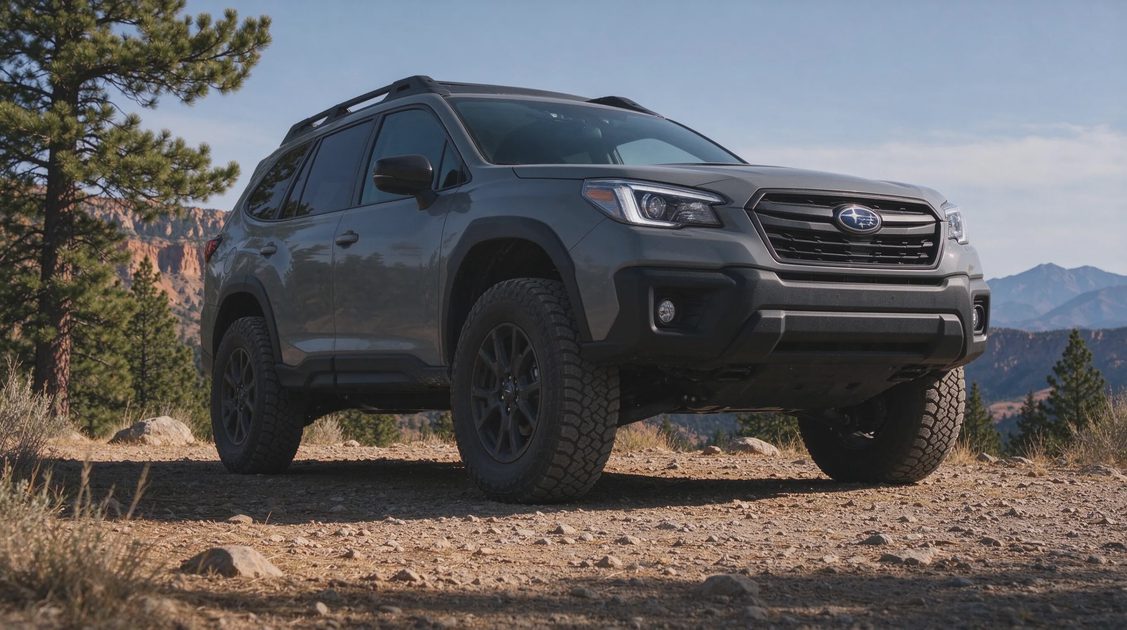
The 2026 Forester lineup has a clear fork in the road: stick with the familiar gas engine or step up to the hybrid that Subaru has been pushing hard for efficiency and a bit more pep. With gas prices still unpredictable and more owners thinking about longer road trips or just wanting to spend less at the pump on the daily commute, the hybrid question comes up constantly. I am not going to sell you on “saving the planet.” I am going to walk through what actually changes in the driver’s seat, at the fuel pump, and in your wallet over the first few years. The hybrid is not a radical departure—it keeps the same symmetrical AWD and practical shape—but the powertrain difference is real enough that it deserves a clear-eyed look before you sign.
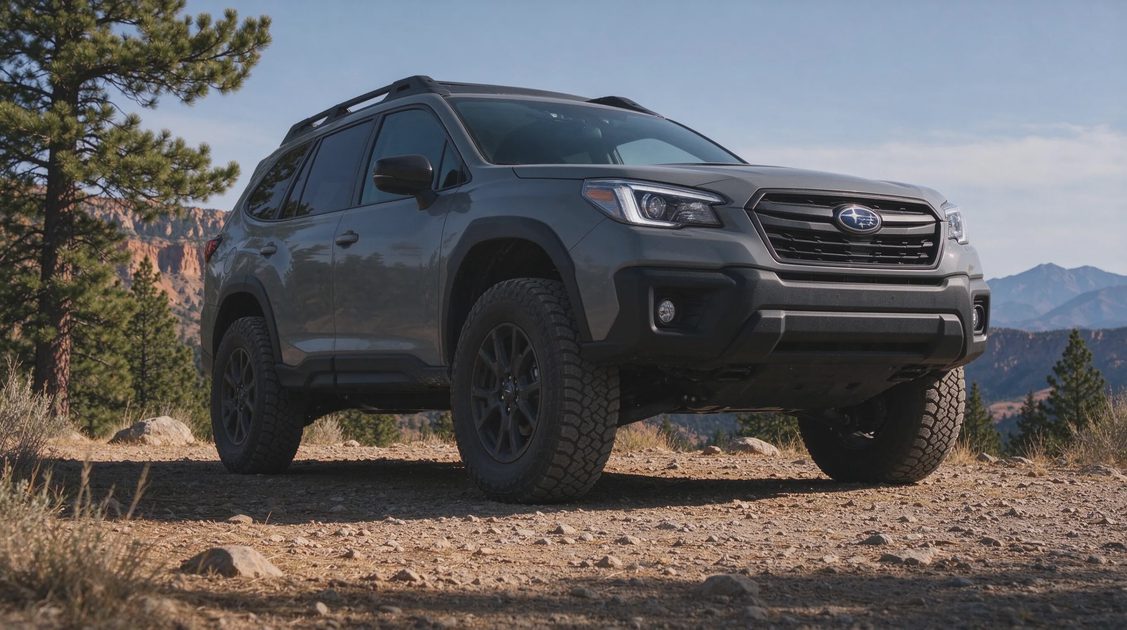
Power and Driving Feel: The Hybrid’s Extra Push
The gas Forester uses a 2.5-liter Boxer making about 180 horsepower. The 2026 Hybrid combines a similar 2.5-liter Boxer with electric motors for a total system output of 194 horsepower. That 14-horsepower bump shows up most noticeably when merging onto the highway with a loaded vehicle or climbing grades with the family and gear aboard. The hybrid feels a touch quicker off the line and maintains momentum better in traffic without the engine working as hard.
The driving character stays Subaru: linear, predictable, and confidence-inspiring in bad weather. The hybrid’s electric assist smooths out low-speed creep and makes the CVT feel less like it is hunting for the right ratio. Owners who have driven both often say the hybrid feels more modern and less strained on long climbs, while the gas model remains perfectly adequate for unloaded commuting. If you frequently tow or carry heavy loads, the extra torque from the electric motors helps close the gap to the gas model’s occasional feeling of working hard.
Fuel Economy and Real-World Range on PNW Roads
The hybrid earns EPA estimates around 35 mpg city, 34 highway, and 35 combined—roughly 40 percent better than the gas Forester in city driving and noticeably stronger on the combined cycle. Subaru claims up to 581 miles of range on a single tank, which matters when you are heading from Bend to the coast or into the mountains without wanting to stop for fuel every couple of hours.
Real-world numbers depend on driving style, temperature, and load. Cold mornings in Central Oregon can reduce the hybrid’s advantage because the battery and cabin heat pull from the system, but it still beats the gas model by a meaningful margin on mixed routes. Highway cruising at steady speeds narrows the gap, while stop-and-go or hilly terrain widens it in the hybrid’s favor. If your annual mileage is mostly short trips and weekend escapes, the hybrid’s efficiency adds up faster than the gas model’s simpler powertrain.
Pricing, Incentives, and the Real Cost of Stepping Up
The 2026 Forester Hybrid starts around 34,730forthebasePremiumHybridtrim,withhighertrimsreachingintothelow40,000s before destination. Subaru has focused on affordability this year with some price adjustments across the lineup. The gas Forester undercuts the hybrid by several thousand dollars at equivalent trims, which is the first number most buyers notice.
Federal tax credits for hybrids have tightened, and not every Forester Hybrid qualifies depending on battery sourcing and final assembly details. Even without a credit, the hybrid’s lower fuel costs can close the gap over three to five years for higher-mileage owners. Maintenance is similar, though the hybrid adds a high-voltage battery that Subaru warrants separately. If you keep the vehicle long-term and drive above-average miles, the efficiency edge often pays for the initial premium. If you drive fewer miles or plan to trade sooner, the gas model’s lower purchase price can make more sense.
Winter Performance and Cold-Weather Realities
Central Oregon winters test both powertrains. The hybrid’s battery is sealed and integrated into the AWD system, so traction and capability remain strong. Cold weather reduces electric-only operation and overall efficiency, but the system still delivers better mileage than the gas model in most conditions. The gas Forester has no such variables—it simply runs the engine and gets you there.
Both handle snow and ice equally well thanks to symmetrical AWD and available X-Mode. The hybrid’s smoother power delivery can feel more composed on slippery starts. Owners in snowy regions report that the hybrid’s extra torque helps when pulling out of deep snow or navigating unplowed roads with a full load. Neither will replace dedicated winter tires, but the hybrid does not introduce new weaknesses in cold weather.
Interior, Tech, and the Daily Experience
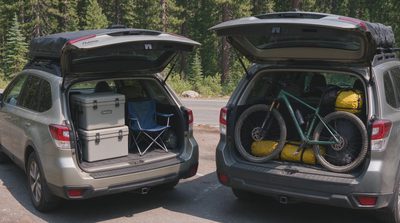
Both models share the same updated cabin with the larger touchscreen and digital cluster on higher trims. The hybrid adds no noticeable interior differences beyond minor powertrain indicators on the display. Cargo space, seating, and roof-rack options remain essentially identical. The hybrid’s slightly stronger acceleration makes loaded trips feel less labored, which matters when you are heading out with the dog, coolers, and weekend gear.
Tech features like EyeSight, wireless Apple CarPlay, and available navigation are the same across the lineup. The hybrid’s quieter operation at low speeds is a small but pleasant daily bonus, especially on early-morning commutes. If you value a more refined feel without giving up capability, the hybrid delivers it without changing the vehicle’s core personality.
Long-Term Ownership, Reliability Questions, and Resale
The hybrid powertrain is still relatively new in the Forester, but Subaru has engineered it to integrate cleanly with the existing platform. Early reliability data looks solid, with the main unknowns being long-term battery degradation and repair costs outside warranty. The gas model has a longer track record and simpler mechanics, which some owners prefer for peace of mind at high mileage.
Resale for the hybrid should benefit from efficiency demand, though the gas model’s lower entry price keeps it accessible in the used market. If you plan to keep the vehicle past 100,000 miles, the hybrid’s fuel savings become more compelling. If you prefer mechanical simplicity and lower upfront cost, the gas version remains the safer known quantity.
Who Should Actually Choose the Hybrid in 2026
The hybrid makes the most sense for owners who rack up highway and mixed miles, want the extra power for loaded trips, and are comfortable with the slightly higher purchase price in exchange for lower operating costs. It shines for commuters who hate stopping for gas and weekend warriors who want more range between fill-ups on longer drives to the coast or mountains.
The gas Forester remains the smarter buy for lower-mileage owners, those who prioritize the lowest possible purchase price, or anyone who simply wants the proven, no-frills Subaru experience without added complexity. Many Central Oregon buyers are landing on the hybrid this year because the efficiency and slight power bump align with rising fuel costs and more frequent longer trips. Others stick with gas because the difference does not justify the premium for their specific driving.
Test both back-to-back with a typical load if you can. The one that feels right on your daily route and still has enough left for the weekend is the one worth bringing home. Subaru made the hybrid option genuinely useful rather than a token efficiency play, but it is still a choice that depends on how you actually use the vehicle.
Before you spend:
Check the symptom. Count the cost. Then decide.