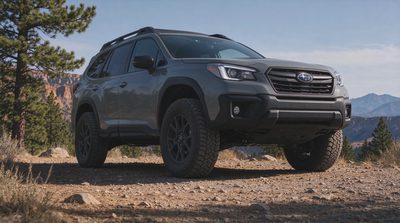
Tamsin here in Bend, where the weekends usually involve loading the Outback with Barnaby’s muddy paws, Mark’s climbing gear, and whatever roof-rack contraption we think will survive the forest roads. Plenty of owners are staring at the same choice right now: Outback wagon or Forester box? Both deliver Subaru’s symmetrical AWD and that reassuring traction on wet roads or snow, but the details matter when you are hauling tents, coolers, bikes, and a 70-pound dog who thinks every trail is his personal kingdom. I am not here to declare a winner. I am here to lay out what actually changes when you are trying to fit real weekend life into one vehicle instead of the other. The 2026 models keep the same core strengths, with Wilderness trims gaining a bit more attention for serious off-pavement use.
Cargo Space That Actually Matters on the Trail
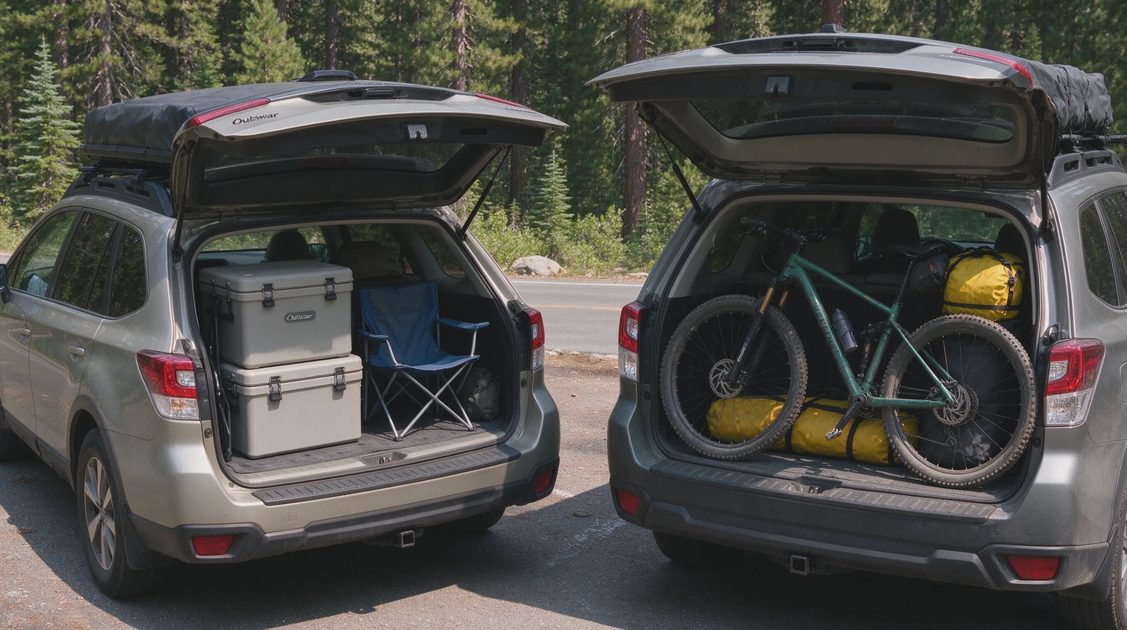
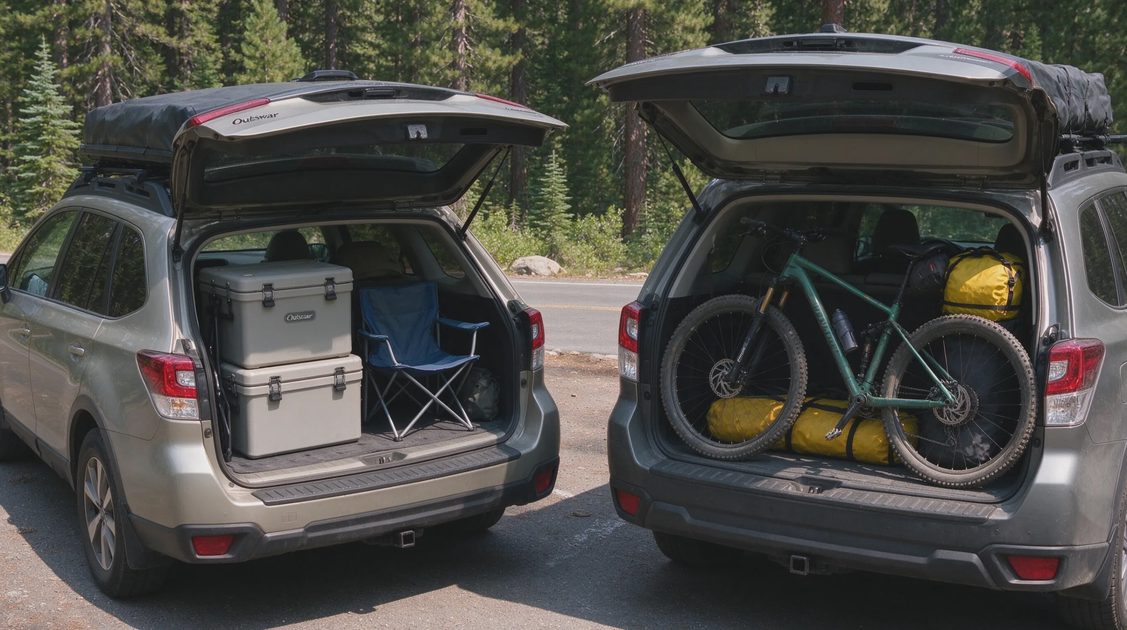
Cargo numbers on paper tell one story; real loading on a muddy Saturday morning tells another. The Outback generally offers more behind the rear seats—around 34.6 cubic feet versus the Forester’s 27.5—and a bigger maximum with seats folded at roughly 80.5 cubic feet against the Forester’s 69-ish. That extra room shows up when you are sliding a rooftop tent base or a pair of kayaks inside after a long day instead of wrestling everything onto the roof. The Outback’s longer load floor and lower liftover height make it easier to heave a loaded cooler or a full crate of camping gear without doing your back any favors.
The Forester fights back with a more upright shape and flatter load floor once the seats are down. Vertical stacking of totes or a dog crate becomes simpler, and the shorter overall length means the cargo area feels less like a tunnel. If your weekends lean toward day hikes with a single large cooler and a couple of camp chairs, the Forester’s geometry can feel more practical. If you regularly carry a full weekend’s worth of gear for two adults and a dog plus recovery boards and firewood, the Outback’s extra volume starts to pay off quickly.
Ground Clearance, Wilderness Packages, and Where You Actually Drive
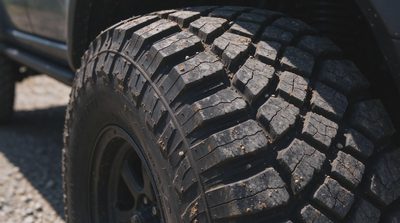
Both standard models sit at about 8.7 inches of clearance, which is plenty for most forest roads and winter snow. The 2026 Wilderness versions push that higher—the Outback Wilderness reaches 9.5 inches while the Forester Wilderness sits at 9.3. The Outback Wilderness also brings electronically controlled dampers new for this year, which help on rough washboard and when the vehicle is loaded. The Forester Wilderness counters with a lighter, shorter body that can feel more nimble on tight, technical trails where you need to place the tires precisely.
If your idea of a weekend involves the same forest roads you have always used, either works. If you are eyeing the more remote Central Oregon routes or planning to tow a small trailer with bikes or a pop-up, the Outback Wilderness edges ahead on raw clearance and composure. The Forester Wilderness remains the easier daily driver when you are threading through Bend traffic or parking in crowded trailhead lots. Real owners in the PNW tend to report that the difference shows up most on loaded trips over washboard or when snow lingers into spring.
Roof Racks, Towing, and the Gear You Actually Carry
Roof capacity is similar on paper, but the Outback’s longer roofline makes it simpler to secure longer items like kayaks or a rooftop tent without overhang that catches branches. Both support substantial static loads when parked, though dynamic limits on the highway stay conservative. The Outback generally tows more—up to 2,700 pounds on some trims versus the Forester’s 1,500-pound rating—which matters if you are hauling a small utility trailer with firewood or a couple of mountain bikes.
For pure roof-rack weekends, the Forester’s boxier shape can make loading and unloading slightly more intuitive because the load floor sits higher relative to the roof rails. Many owners with dog crates or large coolers prefer the Forester’s easier vertical access. The Outback wins when you need to carry both roof cargo and a full interior load without the vehicle feeling nose-heavy.
Daily Driving, Fuel Economy, and the Commute You Still Have to Do
The Outback is longer and slightly heavier, so it feels more planted on the highway but less eager in tight parking lots. The Forester’s shorter wheelbase makes it noticeably easier to maneuver around town or on narrow forest roads. Fuel economy favors the Forester slightly in real-world mixed driving, though both are in the same ballpark until you add the hybrid option on the Forester side.
If most of your miles are highway commutes to the trailhead with a loaded vehicle, the Outback’s stability can reduce fatigue. If you spend more time in town and short forest roads, the Forester’s agility and slightly better efficiency add up. Mark always points out that the Forester feels “less like a boat” when we are running errands with the dog in the back.
Dog Hair, Mud, and Interior Durability Realities
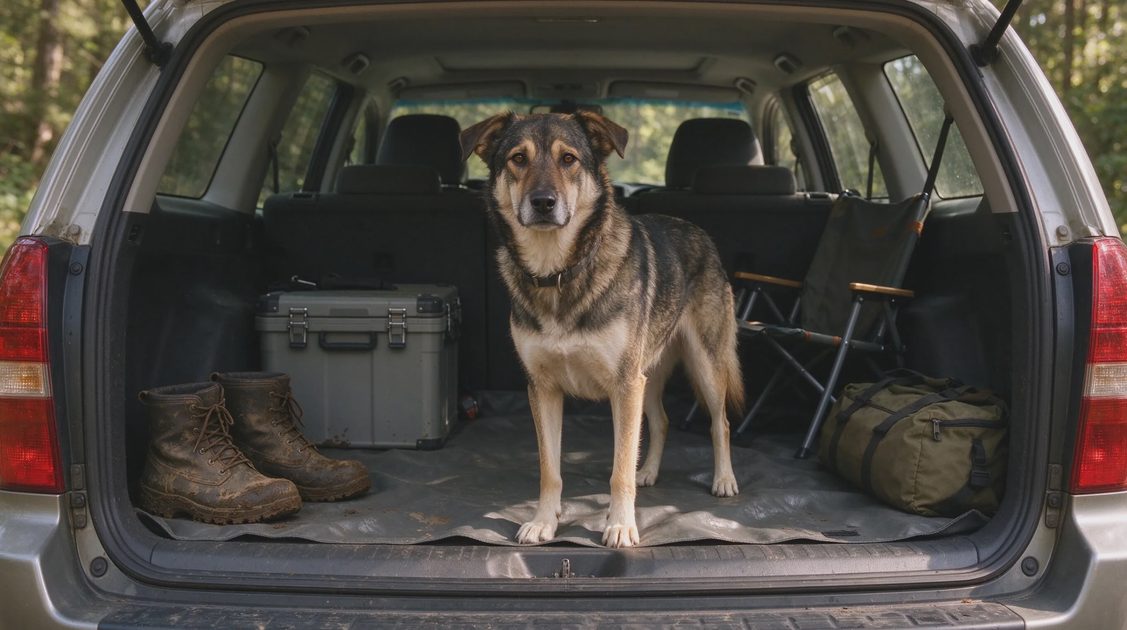
Barnaby has tested both. The Outback’s lower load floor makes it easier to lift a wet, tired dog in after a long hike, but the longer cargo area can mean more hair spread out. The Forester’s more upright rear makes crate placement straightforward and contains the mess a bit better. Both offer easy-to-clean materials in higher trims, and aftermarket liners and seat covers work equally well.
Owners with multiple dogs or frequent muddy adventures often lean toward the Forester for the easier vertical loading and slightly more contained cargo shape. If you regularly carry a large crate plus extra gear, the Outback’s extra volume becomes the practical choice. Neither is perfect—dog hair finds its way everywhere—but the one that matches your loading style wins.
Resale, Ownership Costs, and the Long View
The Outback tends to hold value a bit stronger in the used market, especially Wilderness models, partly because of its wagon utility and towing capacity. The Forester offers strong value as a slightly more affordable entry with similar capability for many owners. Maintenance and repair costs track closely because they share so many components.
Insurance and registration differences are usually small, but the Outback’s larger size can nudge premiums slightly higher in some states. If you plan to keep the vehicle past 100,000 miles, either platform has proven durable when maintained. The choice often comes down to which one you enjoy driving every day rather than pure numbers.
Real Owner Scenarios and the Decision That Actually Fits Your Life
Here is where the rubber meets the trail. If your weekends are mostly two people, one dog, day hikes, and the occasional overnight with a rooftop tent, the Forester often feels like the sweeter daily companion—easier to park, slightly thriftier, and still very capable on the roads most people actually drive. If you regularly tow, carry longer gear inside, or want the extra composure of the Outback Wilderness when loaded, that extra length and clearance pay off on bigger trips.
Plenty of Central Oregon owners end up with the Forester because it simply fits more everyday life without sacrificing weekend capability. Others choose the Outback because the cargo difference shows up every single time they load for a multi-day trip. Neither is wrong. Measure your actual gear, think about how often you load it, and test drive both with the dog and a full cooler in the back. The one that makes loading feel natural on a rainy Saturday is the one you will keep.
Before you spend:
Check the symptom. Count the cost. Then decide.