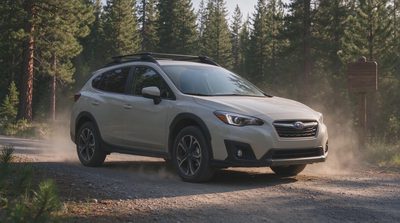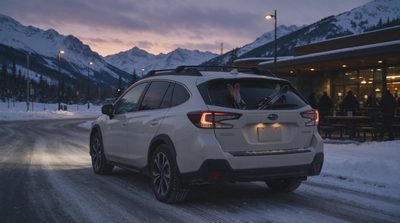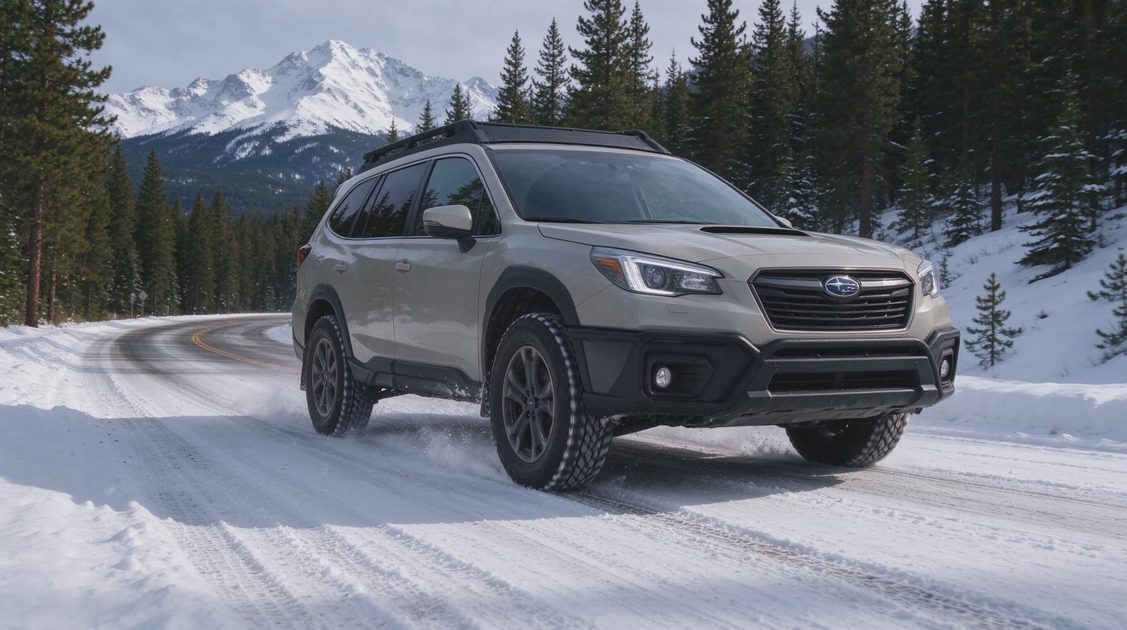
The X-MODE button sits on the console or the touchscreen of most recent Subarus and looks tempting the moment snow appears or the trail turns soft. Many owners press it the first time conditions look questionable without knowing what the system actually changes. X-MODE is useful, but it is not a low-range transfer case and it is not meant for everyday driving. It retunes several systems for low-speed, low-traction work and then steps aside once speed rises. Understanding those limits keeps the button from becoming a habit that reduces responsiveness or hides a real traction problem.
What the System Actually Changes
When you activate X-MODE the vehicle adjusts five related systems at once. Throttle mapping softens so a sudden jab at the pedal does not immediately spin the tires. The continuously variable transmission holds a lower effective ratio to keep more torque available at the wheels. The center differential and multi-plate clutch respond more aggressively to slip. Vehicle Dynamics Control applies the brakes earlier to a spinning wheel, creating a limited-slip effect. At very low speeds Hill Descent Control can manage both throttle and braking so the driver can focus on steering.
These changes sit on top of Symmetrical All-Wheel Drive, which is already engaged full-time. The system does not turn all-wheel drive on; it simply alters the calibration of systems that are already working. The effect is strongest below roughly 18 to 25 mph depending on model year and setting. Above that speed the vehicle usually returns to normal operation.
The result feels more deliberate and controlled on loose or slippery surfaces. The same calibrations feel sluggish and unnecessary on dry pavement. That difference is intentional. The feature is designed for specific low-speed conditions, not for continuous use.
Single-Mode Versus Dual-Function Versions
Many base and mid-level trims carry a single X-MODE setting. Higher trims and nearly all Wilderness models offer dual-function X-MODE with two distinct calibrations: Snow/Dirt and Deep Snow/Mud. The difference is deliberate and worth understanding before the next storm or forest-road trip.
Snow/Dirt prioritizes controlled traction. It limits wheel spin, keeps the vehicle stable on packed snow, firm gravel, or hard dirt, and works well on steep but solid grades. Deep Snow/Mud relaxes some of the traction-control intervention so the tires can spin enough to clear mud from the treads or dig through soft snow toward a firmer layer. Using the wrong setting is not dangerous, but it is less effective.
The instrument cluster usually displays which mode is active. A quick glance before the surface changes confirms the choice. Snow/Dirt in axle-deep mud can leave the vehicle stuck; Deep Snow/Mud on hard-packed ice can reduce stability. Matching the mode to the surface is the entire point of the dual-function system.
Hill Descent Control Behavior
When X-MODE is active and speed drops below approximately 12 mph, Hill Descent Control becomes available. The system holds a steady low speed on a descent by managing both engine braking and the friction brakes. The driver steers while the car handles the pace. This is especially helpful on snow-covered or loose downhill sections where a conventional automatic or CVT might allow the vehicle to accelerate faster than intended.
The function is strictly a low-speed tool. Once the vehicle exceeds the operating window the system disengages and normal braking returns. Owners who try it for the first time on a steep, slippery grade often notice an immediate reduction in mental workload.
It is not designed for high-speed mountain highways or for use on dry pavement. Treating it as an always-available speed limiter leads to frustration when the system simply switches itself off. Keep speed low and let the system do its job only when the grade and surface match its design.
When the Button Helps on Real Roads
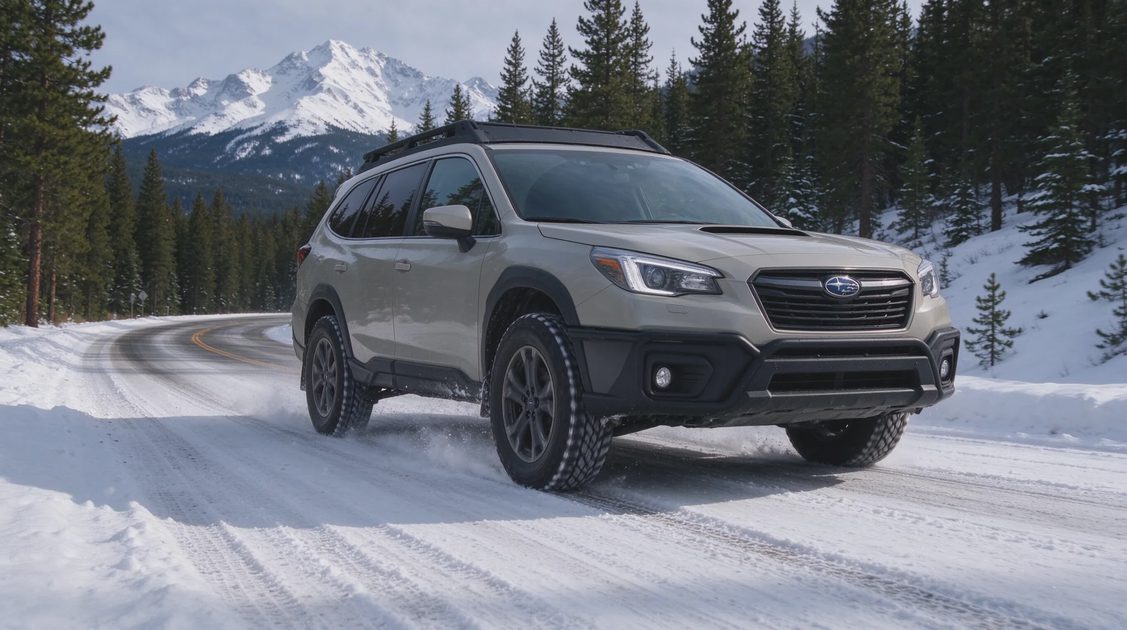
X-MODE is most effective in the exact conditions Subaru describes: snow, ice, mud, steep unpaved grades, and soft or uneven surfaces at low speed. It is also useful when starting on an icy incline or when the vehicle begins to bog in deep snow. The system cannot create traction that the tires and ground clearance do not provide. Highway all-season tires in axle-deep snow will still struggle, button or no button.
The feature shines on the kinds of roads many Pacific Northwest, Rocky Mountain, and Northeast owners actually drive—plowed but slippery secondary roads, forest-service tracks after rain, and steep driveway exits after a storm. In those situations the softened throttle and earlier brake intervention reduce the chance of wheelspin and help the vehicle maintain forward progress without dramatic steering corrections.
The key is to activate it before the vehicle is already spinning, not after. Anticipating the surface change is more effective than reacting once traction is already lost.
When the Button Should Stay Off
On dry pavement, wet highways at normal speeds, or fast gravel roads, leave X-MODE off. The altered throttle and transmission behavior feel sluggish and can increase fuel consumption without any safety benefit. The normal calibrations are tuned for responsive everyday driving and efficient cruising; X-MODE overrides those calibrations intentionally.
Continuing in X-MODE after the difficult section ends is a common habit that reduces the vehicle’s normal manners. Turn the system off once the surface improves. If the light stays illuminated or the system refuses to engage, check for related warning messages.
A fault in Vehicle Dynamics Control or the all-wheel-drive system can disable X-MODE until the underlying issue is addressed. Ignoring a persistent warning turns a useful tool into a diagnostic blind spot. The button is not a permanent setting.
Model Differences and Simple Habits
Availability varies by model and trim. Many base Crosstrek, Forester, and Outback versions carry single-mode X-MODE. Wilderness trims and higher packages almost always include the dual-function version. The Solterra uses a dual-mode system adapted for its electric powertrain. Always verify the specific vehicle’s equipment list rather than assuming every Subaru has the same version.
Press the button only when already in or about to enter low-traction conditions. Confirm the active mode on dual-function systems. After the difficult section ends, switch the system off. These habits keep the feature available when it is useful and keep the vehicle responsive when it is not.
The button is a tool, not a default. Treating it that way preserves both its effectiveness and the normal driving character of the car.

Practical Decision Framework
If the surface is firm but slippery and the goal is controlled traction, choose Snow/Dirt or the single-mode setting. If the surface is soft and the tires need to spin to clear material or dig for grip, choose Deep Snow/Mud. If speed is already above 25 mph or the surface is dry, leave the system off. If Hill Descent Control is needed, keep speed low and let the system manage the pace.
These simple rules cover the majority of situations U.S. Subaru owners actually encounter. The system rewards deliberate use and punishes the habit of leaving it engaged out of caution. When the conditions match the design intent, X-MODE is a genuine help. When they do not, the normal calibrations are better.