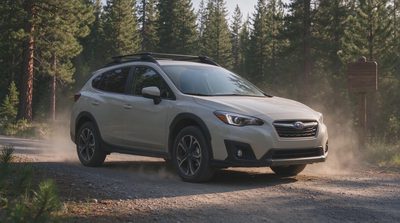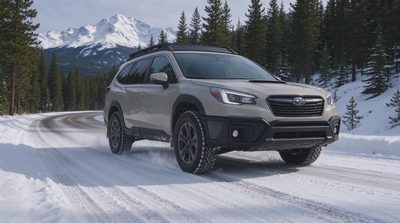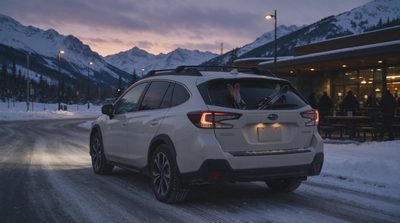
The first time the EyeSight warning light appears on a foggy morning or during a low winter sun, most owners feel a small jolt of concern. The system is designed to help with adaptive cruise, pre-collision braking, and lane-keeping, so a sudden “EyeSight Disabled” message feels like losing a safety net. In the majority of cases the message is temporary and tied to conditions the cameras cannot interpret clearly. In other cases the cause is a new windshield, a minor collision, or a calibration that was never completed. Understanding the difference keeps owners from overreacting or driving with a system that is no longer aimed correctly.
Temporary Disablement from Weather and Lighting Is Normal Behavior
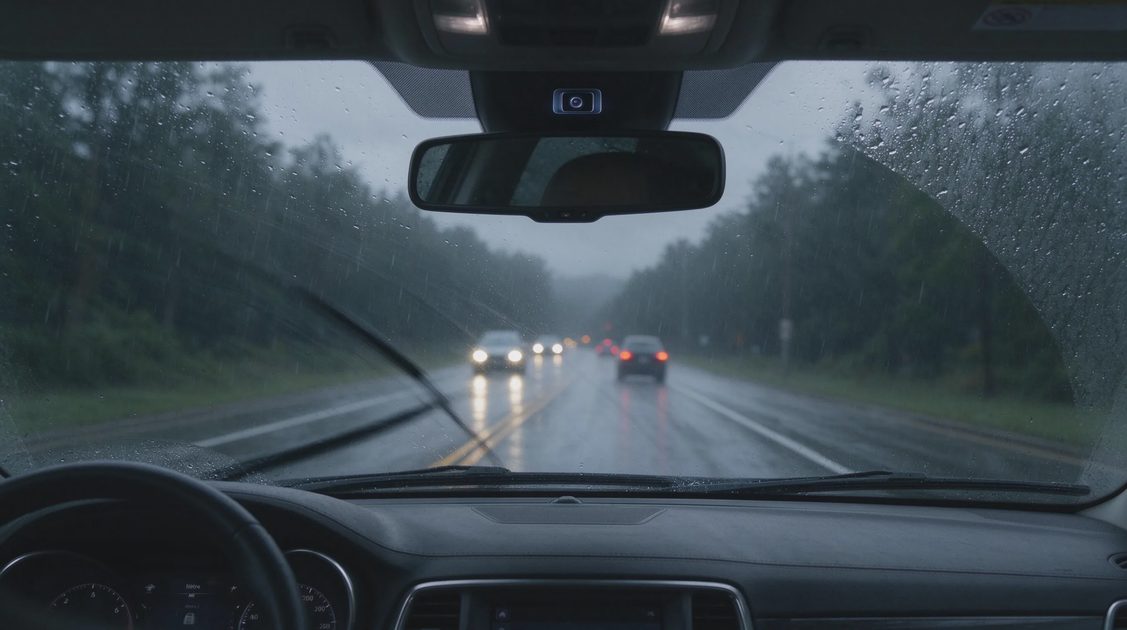
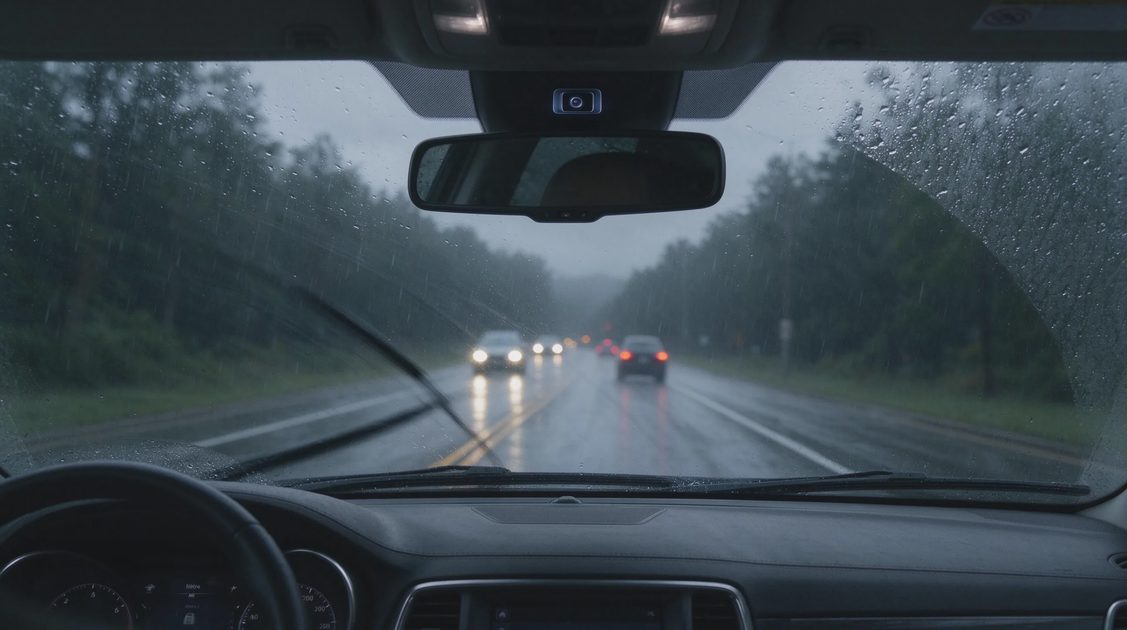
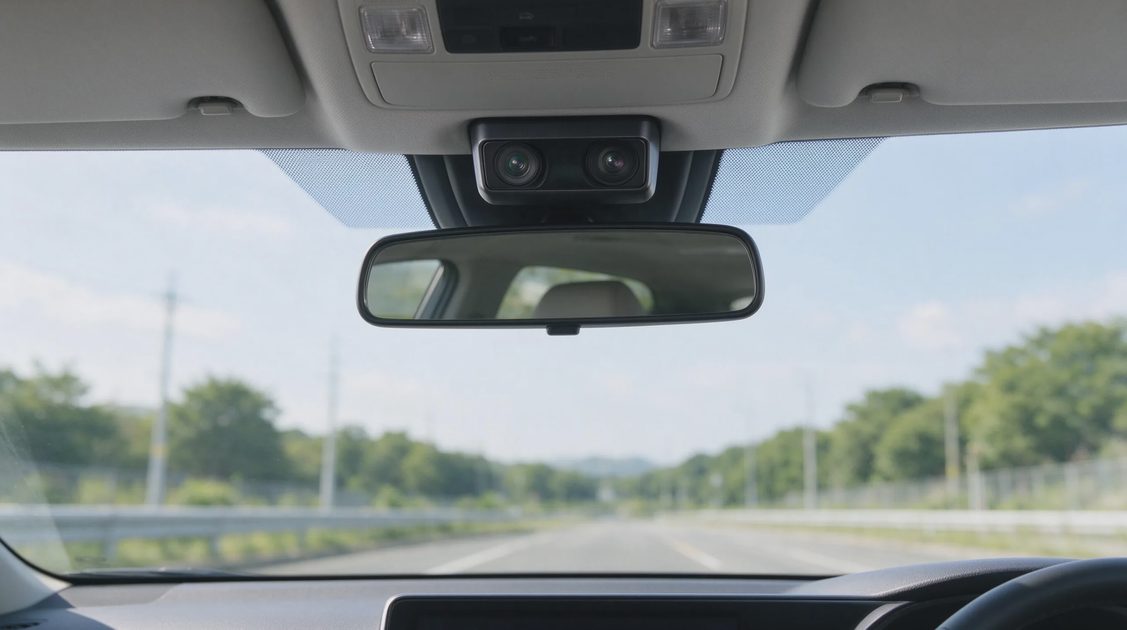
EyeSight relies on a pair of stereo cameras mounted high on the windshield. Those cameras need a clear, consistent view of the road ahead. Heavy fog, dense rain, blowing snow, or thick frost on the glass will cause the system to shut itself off until visibility improves. The same thing happens when the sun sits low on the horizon and creates strong glare, or when the windshield is dirty enough to scatter light.
This is not a defect. It is the system protecting itself from making incorrect decisions based on incomplete data. Once the condition clears—fog lifts, rain slows, or the glass is cleaned—the warning usually disappears on its own after a short drive. Owners who live in the Pacific Northwest or the Great Lakes region see this behavior regularly in winter and early spring. Treating every temporary message as a hardware failure leads to unnecessary shop visits.
Dirty Glass, Stickers, and Aftermarket Accessories Can Trigger the Same Warning
Anything that obstructs the camera’s field of view can produce the same result. A film of road salt, a smudge from the wipers, a parking-pass sticker placed too high, or even a dash-mounted device that reflects light can confuse the system. Aftermarket windshield tint that is too dark or poorly applied in the camera area is another common culprit.
The practical fix is simple: keep the windshield clean, especially the upper center section where the cameras sit. Avoid placing stickers or devices in that zone. If the warning appears on a clear day with clean glass, the next step is a careful inspection of the camera housing itself for condensation or damage. Most temporary issues resolve with basic housekeeping rather than diagnostic fees.
Windshield Replacement Almost Always Requires Recalibration
When the windshield is replaced, the cameras lose their precise optical relationship to the road. Even a high-quality OEM or OEM-equivalent glass will sit in a slightly different position. Subaru service information requires recalibration after the glass is removed or replaced. Driving without that step can leave adaptive cruise, lane-keeping, and pre-collision systems inaccurate or fully disabled.
The process usually involves both a static calibration (using targets in a controlled bay) and a dynamic calibration (a road test under specific conditions). Shops that specialize in ADAS work or Subaru dealers perform the procedure with the proper tools and software. Skipping it or assuming the system will “learn” on its own is not safe practice. Insurance often covers the calibration when it is part of a covered glass claim, but owners should confirm the item is listed on the estimate rather than assuming it is included.
Typical Cost Ranges and What Affects the Final Bill
Recalibration pricing in 2025–2026 commonly falls between $250 and $600 for a straightforward camera recalibration after glass work. Dealer rates tend to sit at the higher end; independent ADAS specialists sometimes offer lower published prices. If the camera module itself must be replaced because of damage, the parts and labor can push the total into the $1,500–$3,000 range or more, depending on model year and whether programming is required.
Additional factors include the need for a wheel alignment, steering-angle sensor reset, or both static and dynamic procedures. Regional labor rates also matter. Asking for an itemized quote that separates glass, calibration, and any related resets prevents surprises. A shop that cannot explain the process or refuses to provide a calibration report should be avoided.
Situation | Typical Action Needed | Approximate Cost Range (2025–2026) |
|---|---|---|
Fog, rain, glare, dirty glass | Clean glass / wait for conditions | $0 |
New windshield | Static + dynamic recalibration | $250–$600 |
Camera damaged in collision | Replace camera + full calibration | $1,500–$3,500+ |
Minor alignment or suspension work | Recalibration may be required | $250–$500 |
The numbers above are realistic ranges based on current U.S. shop experience. Always obtain a written estimate for the specific vehicle.
What Happens If You Drive Without Proper Calibration
An uncalibrated system may remain completely disabled, or it may operate with reduced accuracy. Adaptive cruise can misjudge distance. Lane-keeping can tug the wheel at the wrong moment. Pre-collision braking can activate late or not at all. None of those outcomes is acceptable for a safety system that owners have come to rely on.
Subaru’s position is clear: the cameras must be aimed correctly after any work that affects their mounting or the glass they look through. Treating the warning light as optional or assuming the system will self-correct after a few miles is not supported by the manufacturer’s service information. The vehicle remains drivable, but the driver must assume full responsibility for the functions that EyeSight normally assists.
Practical Steps When the Warning Appears
First, check the obvious: windshield cleanliness, weather conditions, and any recent glass or body work. If the message clears after the glass is cleaned or the weather improves, no further action is needed. If the warning persists on a clear day with clean glass, schedule a diagnostic scan. The scan will show whether the system simply needs recalibration or whether a camera, wiring, or software issue is present.
When glass work is required, choose a shop that performs or coordinates the calibration in the same visit. Confirm that OEM or Subaru-approved glass is used when possible, and ask for the calibration report when the job is finished. Keep the report with the vehicle’s service records. These steps turn a potentially expensive surprise into a predictable, documented repair.
Long-Term Reliability and Owner Habits
EyeSight itself has proven durable on most vehicles when the cameras remain clean and properly aimed. The majority of owner complaints involve temporary weather-related disablement or the cost and inconvenience of recalibration after glass replacement. Actual camera failures are less common but do occur, especially after impacts or prolonged exposure to extreme heat.
Owners who keep the windshield clean, address chips promptly, and treat recalibration as a required step after glass or suspension work experience the fewest ongoing issues. The system is a useful safety net, not an autonomous driver. Understanding its limits—and the conditions that temporarily remove it—keeps expectations realistic and the vehicle safer for the long term.
Before you spend:
Check the symptom. Count the cost. Then decide.