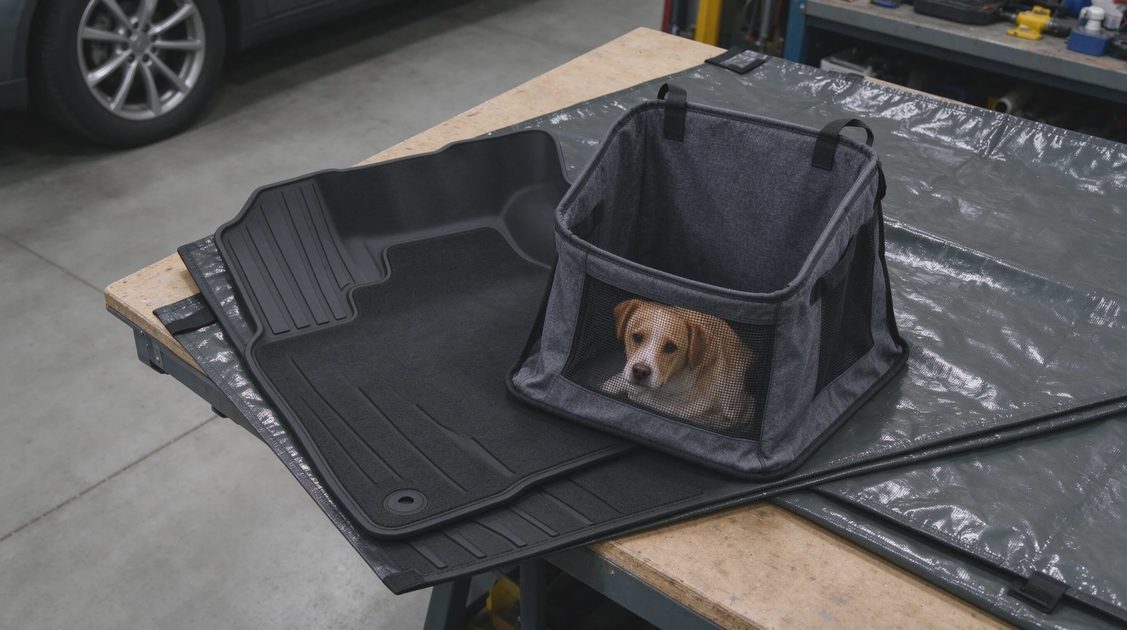
Subaru interiors and dogs are a long-term relationship, not a weekend fling. Hair embeds in carpet, claws find soft surfaces, and muddy paws arrive at the worst possible moment. Complete elimination is unrealistic; containment and easy cleanup are achievable. The right combination of cargo liner, seat covers, and a simple routine keeps the vehicle usable for both people and dogs without turning every trip into a detailing session.
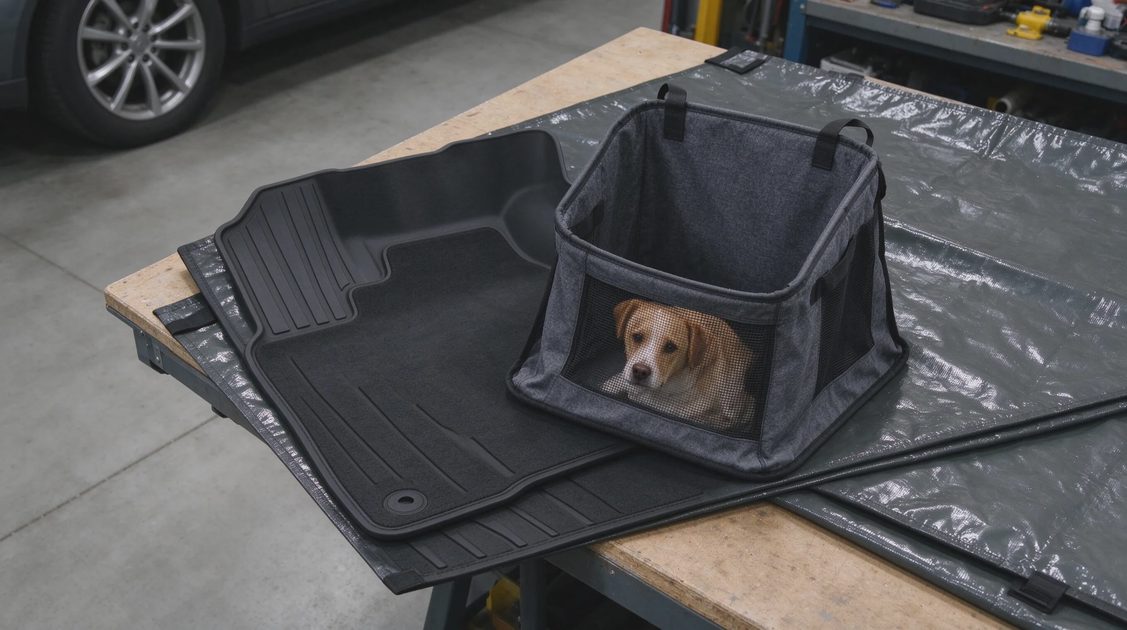
Start with the Cargo Area—the Highest-Traffic Zone
Most dogs ride in the cargo area or jump through it. A properly fitted cargo liner that covers the floor, the lower side walls, and the back of the rear seats stops the majority of hair and dirt before it reaches the carpet. Look for liners with a raised lip, a bumper flap that protects the scuff plate, and enough stiffness to stay in place when a dog turns around.
Split liners that accommodate the 60/40 rear seats are useful if you sometimes fold only one side. Genuine Subaru pet liners and several aftermarket options are cut for specific models; a universal liner that shifts and bunches will frustrate more than it helps. Measure the cargo floor and the height of the seatbacks before ordering so the liner actually reaches the surfaces that collect hair.
A liner that can be removed and hosed off or vacuumed in two minutes is worth more than a prettier one that stays dirty because it is hard to clean.
Seat Covers That Survive Real Dogs
Rear seat covers come in hammock style, traditional cover style, and hybrid designs. Hammock covers create a sling between the front and rear headrests that keeps the dog from falling into the footwells and protects the seat backs. Traditional covers fit more like upholstery and leave the center seatbelt and armrest accessible. Both styles work; the choice depends on whether the dog rides alone in the back or shares space with passengers.
Front seat covers are useful if the dog occasionally rides shotgun or if the driver seat collects hair from dogs that lean forward. Look for covers that leave the side airbag zones unobstructed and that can be machine-washed. Neoprene and heavy canvas resist claws better than thin fabric; quilted designs hide hair better between cleanings.
Installation should take minutes, not tools. Covers that require permanent modification or that block the LATCH anchors create more problems than they solve when child seats or other passengers enter the picture.
Barriers and Containment for Jumpers and Shedders
A rigid or semi-rigid barrier behind the rear seats keeps an energetic dog out of the passenger cabin and reduces the volume of hair that migrates forward. Some owners prefer a flexible mesh barrier that still allows airflow and conversation. Either style works if it is anchored securely to the headrests or cargo points and does not rattle on rough roads.
For heavy shedders, a second layer—such as a washable blanket or a fitted sheet on top of the seat cover—can be stripped and laundered more often than the primary cover. The goal is not perfection; it is reducing the amount of hair that reaches the underlying upholstery so deep cleaning becomes occasional rather than weekly.
Dogs that ride in a crash-tested harness or crate add another layer of containment and safety. Hair still escapes, but the volume is smaller and the cleanup is more predictable.
Cleaning Routines That Actually Keep Up
A dedicated pet-hair brush or rubber curry comb lifts hair from fabric and carpet far better than a standard vacuum alone. Work in one direction, then vacuum the piled hair. Microfiber cloths and a light mist of water or diluted fabric softener help release hair from tight weaves. For the cargo liner, a hose and a stiff brush outdoors remain the fastest method.
Schedule a quick interior once-over after muddy or high-shed trips rather than waiting until the hair forms a felt layer. Keeping a small handheld vacuum and a lint roller in the vehicle turns five-minute cleanups into a habit instead of a chore. The difference between a dog-friendly Subaru and a hair-filled one is usually consistency, not exotic products.
Leather or synthetic leather surfaces shed hair more easily than cloth, but they still need regular wiping to prevent oils and dirt from building up in the stitching.
Realistic Expectations and Trade-Offs
No combination of liners and covers will make a Subaru interior look showroom-new after years of dog transport. Hair will still appear on clothing, and an occasional deep clean will still be required. The goal is to keep the volume manageable and the surfaces protected so the vehicle remains pleasant for human passengers and resale value does not take an outsized hit.
Owners who accept that a dog car will always show some evidence of the dog tend to stay happier than those who chase zero-hair perfection. Choose durable, easy-to-clean products, maintain a simple routine, and accept that some hair is part of the deal.
If the dog’s shedding or size overwhelms even good containment, rotating which vehicle carries the dog or using a dedicated crate can reduce the load on the primary family Subaru.
Model-Specific Fit Notes
Outback cargo areas are long and relatively low; a liner that climbs the seatbacks and includes a bumper flap works well. Forester cargo is taller and boxier; side-wall coverage matters more. Crosstrek cargo is smaller, so a liner that maximizes floor and lower-side coverage without excessive bulk is preferable. Always confirm the product’s stated fitment for the exact model year and whether the rear seats are 60/40 or a single piece.
Genuine Subaru pet accessories are cut for the vehicle and preserve airbag and LATCH function, but they are not the only workable option. Several aftermarket brands offer comparable protection at lower cost if the measurements match. Test-fit if possible; a liner that gaps at the edges collects hair underneath and defeats the purpose.
Putting the System Together Without Overbuying
Start with a good cargo liner and a rear seat cover or hammock. Add a front cover or barrier only if the dog’s habits require them. Keep cleaning tools in the vehicle so the routine happens while the hair is still loose. Reassess after a month of real use; most owners discover they need one additional piece or one fewer than they originally planned.
The combination that works is the one that gets used. A perfect set of covers left in the garage because they are hard to install helps no one. Choose durable, simple products, install them, and accept that a dog-friendly Subaru will always carry a little evidence of its passengers. That is the practical definition of success.
Before you spend:
Check the symptom. Count the cost. Then decide.